
The sun dips below the horizon much earlier these days. You might look out your window at 5 PM and see only darkness where your backyard used to be.
This seasonal shift changes how we interact with our homes. The best deck lighting for short winter days reclaims that lost space.
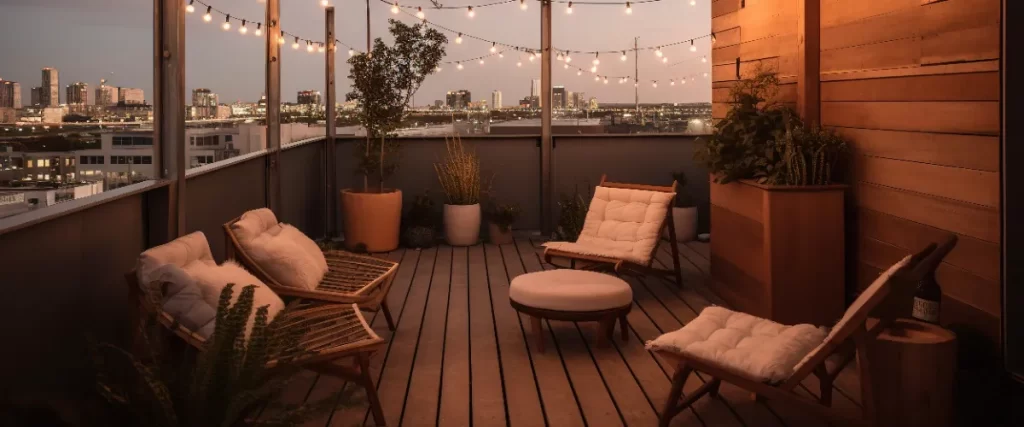
Winter evenings have a quiet beauty that deserves to be seen. A dark deck often feels like a wasted opportunity or a closed-off room. Adding the right illumination opens up the area visually. It transforms a black void into a warm extension of your living room.
Prioritizing Safety on Winter Evenings
Winter brings more than just darkness. It often brings ice, snow, and slick surfaces. Navigating your outdoor space requires clear visibility.
You need to see exactly where you are stepping. Shadows can hide patches of ice on the deck surface or stairs.
- Improve safety by illuminating changes in elevation.
- Install lights directly onto stair risers to define each step clearly.
- Highlight walkways leading up to the deck to prevent trips.
Safety lighting does not have to be harsh or blinding. It simply needs to be consistent.
You want to eliminate dark spots where accidents are most likely to happen. This is especially true for households with children or elderly family members.
The Efficiency of Low Voltage Systems
Running lights for longer hours requires a smart approach to energy. Old floodlights consume a lot of power.
Modern outdoor lighting systems rely heavily on LED technology. LED deck lights consume a fraction of the electricity used by traditional bulbs.
They produce less heat and offer long-lasting performance. You can run them throughout the long winter nights without fearing a spike in your energy bills.
- Select low-voltage fixtures to keep operating costs minimal.
- Replace traditional bulbs with LEDs to reduce your carbon footprint.
- Enjoy consistent light output regardless of the freezing temperatures.
Low-voltage lighting is also generally safer to work with. The wiring poses fewer risks than standard line-voltage systems.
Creating a Warm and Inviting Glow
The color of the light sets the mood. Winter air is crisp and cold. You likely want to counter that with visual warmth.
Blue-toned lights can make a snowy deck feel even colder and more sterile.
Aim for a warm white color temperature. This sits somewhere between 2700K and 3000K on the lighting scale.
This spectrum mimics the feeling of candlelight or a soft sunset. It creates a welcoming environment that looks cozy from inside the house.
- Choose warm white bulbs for a relaxing ambiance.
- Avoid cool white lights that can feel harsh or clinical outdoors.
- Create an inviting atmosphere that encourages you to step outside.
This warm glow creates a welcoming space for winter gatherings. Even if you are just grilling quickly, the atmosphere feels pleasant.
Layering Light for Depth and Drama
A single bright light source creates harsh shadows. It flattens the look of your deck.
Designers use layered lighting to create depth. This involves placing lights at different heights and intensities.
You want to guide the eye across the space. Ambient lighting provides general visibility. Accent lighting highlights specific features.
- Use post cap lights to define the perimeter of the railing.
- Add under-rail lighting for a soft wash of light across the floor.
- Incorporate accent lighting to showcase architectural details or planters.
This approach highlights the texture of the wood and the design of the deck. It makes the outdoor area feel larger.
The Role of Post Cap Lights
Post caps are one of the most popular deck lighting options. They sit on top of the railing posts and cast light downward.
This downward direction is practical. It illuminates the deck railing and the floor without shining in your eyes.
They act as beacons that mark the boundary of your deck. This helps visually contain the space.
- Install post caps that match the style of your railing.
- Direct light downward to reduce light pollution and glare.
- Enhance curb appeal with fixtures that look good even during the day.
These lights are often easy to install. They provide a finished look to the posts while serving a vital function.
Navigating Solar vs. Wired Options
Solar deck lights are appealing because they require no wiring. They seem like an easy DIY installation project.
However, winter presents a challenge for solar technology. The days are short and often overcast.
Solar batteries may not charge fully during the day. This means the lights might fade out a few hours after sunset.
- Consider wired systems for reliable performance year-round.
- Use solar lights only in areas that receive direct midday sun.
- Accept shorter run times for solar fixtures during the winter season.
For consistent safety and aesthetics, a low-voltage wired system is usually superior. It guarantees the lights turn on when you need them.
Highlighting the Landscape Beyond
Your deck does not exist in a vacuum. It is part of a larger landscape.
Lighting the garden paths or trees near the deck expands the view. It prevents the “black mirror” effect on your windows.
When the area beyond the deck is lit, your interior feels bigger. Your eyes are drawn outside.
- Uplight tree trunks to create dramatic silhouettes against the snow.
- Illuminate garden paths that connect the deck to the rest of the yard.
- Integrate landscape lighting to create a cohesive outdoor scene.
This visual connection invites you to look out. It turns a snowy backyard into a winter wonderland.
String Lights for a Festive Touch
String lights are a versatile addition. They are not just for holiday parties.
They drape overhead to create a ceiling of light. This adds a sense of intimacy to the outdoor living space.
You can leave heavy-duty, commercial-grade string lights up all year. They withstand the elements well.
- Hang string lights in a zigzag pattern for even coverage.
- Use dimmable bulbs to control the brightness levels.
- Create a festive feel that works for both holidays and regular evenings.
These lights add a playful and casual element. They soften the rigid lines of the deck structure.
Maintenance Tips for Winter Lighting
Winter weather can be tough on equipment. A little maintenance ensures your lights stay on.
Check your fixtures before the deep freeze sets in. Clear away leaves that might block the lenses.
Snow can cover low-level lights. You should gently brush it off so the light can escape.
- Replace burnt-out bulbs promptly to maintain the circuit load.
- Clean light fixtures to remove dirt and ensure maximum brightness.
- Check wiring connections that might have shifted during temperature drops.
If a bulb burns out, the others might receive slightly higher voltage in some older systems. Changing it keeps the system balanced.
Integrating Smart Controls
You do not want to go outside to turn on the lights in a blizzard. Manual switches are inconvenient in winter.
Timers and smart plugs automate the process. You can set the lights to turn on at sunset.
Smart systems allow you to control the lights from your phone. You can adjust the brightness or set schedules.
- Use astronomical timers that adjust automatically to sunset times.
- Install smart switches for remote control from inside the warmth.
- Save less energy by ensuring lights are off when not needed.
This automation ensures you always come home to a well-lit house. It improves security and convenience.
Selecting the Right Fixtures
The material of the light fixture matters. Plastic can become brittle in extreme cold.
Metals like brass, copper, or powder-coated aluminum hold up better. They resist corrosion from moisture and snow.
Invest in fixtures with high IP ratings. This rating indicates how well the fixture resists water and dust.
- Choose durable materials like aluminum or brass for longevity.
- Check IP ratings to ensure the lights can handle wet snow.
- Match the finish to your deck hardware for a seamless look.
Quality fixtures are an investment. They survive the freeze-thaw cycles without cracking or peeling.
The Impact on Home Value
Good lighting increases the usability of the home. It adds to the square footage you can use visually.
Prospective buyers appreciate a well-lit outdoor space. It suggests the home is well-cared for.
It creates a strong first impression at night. The home looks welcoming rather than dark and closed off.
- Boost curb appeal with a professional lighting design.
- Showcase deck design features that would otherwise be hidden.
- Add value by extending the usable hours of the outdoor area.
The investment yields returns in both enjoyment and property value. It makes the home feel complete.
Planning Your Lighting Design
Lighting is not something you should stick on as an afterthought. It works best when planned.
Think about how you use the deck. Identify the areas where you grill, sit, or walk.
Place the brightest lights in task areas. Use softer lights for lounging zones.
- Map out zones based on activity and traffic flow.
- Test light positions with a flashlight before permanently mounting.
- Consult a professional to calculate voltage drops and wire runs.
A good plan prevents glare. You want to see the effect of the light, not the bulb itself.
Bringing It All Together
Winter does not have to mean the end of outdoor enjoyment. It simply changes the requirements. With the right lighting, your deck remains a beautiful feature. It continues to be a safe passage and a visual asset.
The snow reflects the light, creating a magical scene. You might find yourself enjoying the view more than ever.
Taking the time to install quality lights pays off every evening. You reclaim the night and enjoy your home to its fullest potential.
Expert Help for Your Outdoor Space
Designing a lighting plan involves electrical knowledge. It requires an understanding of beam spreads and voltage loads. Drilling into your deck to run wires takes precision. You want to hide the cables and protect the wood. Installing a solid system in the cold is challenging work. It requires the right tools and patience.
If you are considering a new deck that integrates these lighting features seamlessly from the start, you need to understand the fundamentals of deck building to get the best result.
Maybe you would prefer to stay warm inside while someone else handles the ladder work and wiring. We are here to make your deck shine. Call us at (402) 369-5724 or message us here.