
Choosing the right decking materials can feel overwhelming. You want something beautiful that won’t demand constant attention, but you also need to know what you’re getting into.
Trex composite decking has become a household name in outdoor living spaces, and for good reason. But like anything else, it comes with trade-offs worth considering before you commit.
Let’s walk through what makes Trex stand out and where it might fall short.
What Makes Trex Composite Decking Different
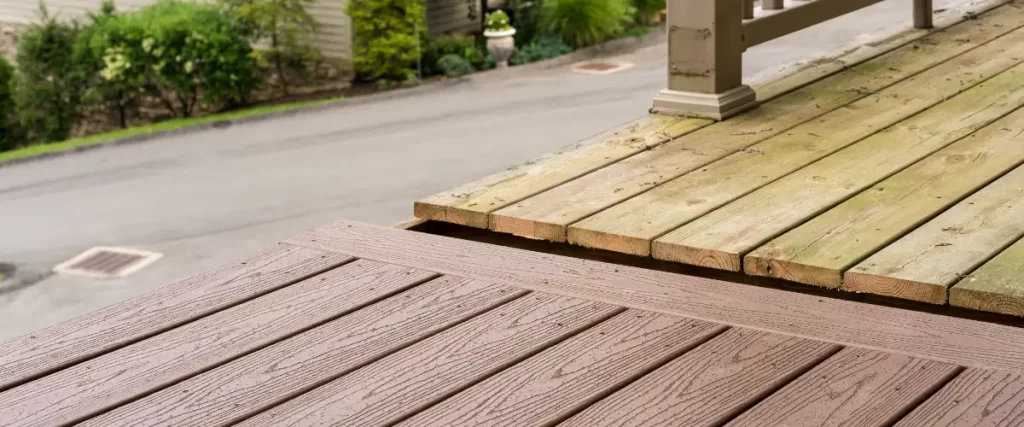
Trex boards aren’t made from traditional wood. Instead, they combine recycled plastic and wood waste into composite deck boards that promise durability without the hassle of a wooden deck. The company uses 95% recycled materials, including reclaimed wood fibers and plastic film that would otherwise end up in landfills.
For environmentally conscious homeowners, this matters. You’re building an outdoor living space while giving new life to materials that served their first purpose elsewhere.
Unlike traditional wood decking, composite boards don’t require the same level of protective treatments. No staining every few years. No sealing before winter hits. The maintenance costs drop significantly compared to what you’d spend keeping a wood deck in good shape.
The Advantages of Choosing Trex
Low maintenance tops the list for most people. Trex decking offers a solution that needs occasional cleaning with soap and water, nothing more intensive than that. While real wood demands regular staining and sealing, Trex composite stays protected through its manufacturing process.
Durability runs deep with these composite boards. Wood fibers mixed with recycled plastic create a material that resists the problems plaguing traditional wood. Rot, splintering, and insect damage rarely affect Trex boards. Your deck remains safe for bare feet, and you won’t spend weekends replacing damaged sections.
The weather resistance deserves attention, too. Rain doesn’t penetrate composite material the way it soaks into wood boards. Snow and ice come and go without leaving lasting damage. UV rays from direct sunlight won’t cause the same level of deterioration you’d see in a wooden deck.
Color options give you flexibility. From the warm tones of Pebble Grey to richer browns and contemporary grays, Trex offers choices that match your personal style. The color goes through the entire board rather than sitting on the surface, so scratches become less noticeable.
Many homeowners appreciate knowing their new deck won’t need pressure washing or aggressive scrubbing. Unlike wood, these composite boards handle spills and stains more forgivingly. Your outdoor furniture can stay put without worrying about constant marks underneath.
Where Trex Falls Short
The higher initial cost catches people off guard. Square footage adds up quickly, and Trex composite decking costs more upfront than traditional wood.
Your final cost will run higher during installation, though the reduced maintenance balances this over time. If you’re watching your budget closely now, the price difference feels significant.
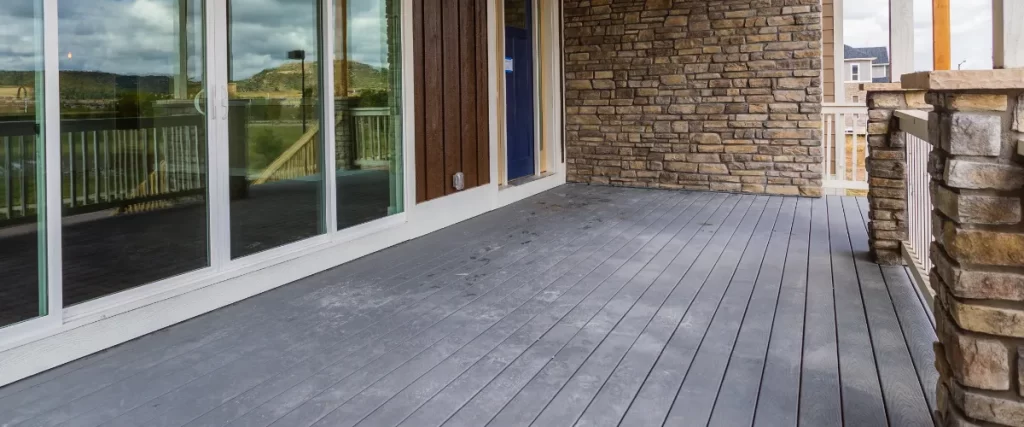
Heat retention becomes uncomfortable in direct sunlight. Composite decking absorbs and holds heat more than natural wood does. Walk across your deck on a summer afternoon, and you’ll feel the difference. Some homeowners keep outdoor footwear nearby or add shade structures to manage this.
The appearance divides opinions. Trex has improved dramatically in mimicking real wood, but some people still notice the difference.
If you love the authentic look and feel of natural wood grain, composite material might not satisfy you completely. The texture feels different underfoot, and the visual character differs from traditional wood decking.
Structural considerations need attention during installation. Composite boards expand and contract with temperature changes, requiring specific spacing and fastening techniques. A deck builder familiar with composite decking knows these requirements, but mistakes during installation can cause problems later.
Scratches and stains, while less common than with wood, still happen. Heavy furniture dragged across the surface can leave marks.
Unlike traditional wood that you can sand and refinish, composite deck boards don’t offer the same repair options. The capped composite layer protects against most issues, but damage that penetrates this layer becomes permanent.
Some Trex deck problems involve mold growth in shaded, damp areas. The composite material doesn’t rot, but organic matter can still accumulate on the surface. This happens less than with wood waste and debris on traditional decking, but it requires attention in humid climates.
Making the Right Choice for Your Outdoor Space
Think about how you use your outdoor living space. Do you spend hours maintaining your yard and enjoy that work? Or would you rather relax on your deck than care for it?
The long-term value of minimal upkeep appeals to busy families. Labor costs for ongoing maintenance add up over the years. Trex stands as a low-maintenance deck solution that frees up your weekends.
Consider your climate, too. Extreme heat makes the temperature issue more relevant. If your deck sits in full sun all afternoon, that matters. Shade from trees or a pergola changes the equation.
Your dream deck might include real wood if authenticity matters most to you. Some people want that natural look and don’t mind the maintenance. Others prefer an eco-friendly solution that reduces their environmental footprint while offering minimal upkeep.
Budget plays a role beyond the upfront cost. Calculate what you’d spend maintaining traditional wood over ten or fifteen years. The soap and water needed for occasional cleaning costs far less than stain, sealant, and the time or labor costs for application.
Understanding the Investment
Trex decking offers a highly resistant product that handles weather, foot traffic, and time better than many alternatives. The recycled wood fibers and plastic combine into highly durable boards that protect your investment. Your deck built with composite materials should last decades with minimal maintenance.
The choice for homeowners often comes down to priorities. Value the natural aesthetic of wood? The composite decking industry has come far, but it’s still not identical to traditional wood. Want to minimize time spent on upkeep? Trex delivers on that promise convincingly.
Many homeowners find that once they adjust to how composite material feels and looks, they appreciate the trade-off.
No more emergency repairs before hosting outdoor gatherings. No panic about whether you sealed everything properly before winter arrived. Unlike wood, your Trex boards keep performing year after year without drama.
Let Us Handle Your Deck Project
Reading about composite versus traditional options helps you understand the landscape. Actually dealing with installation, calculating square footage, ensuring proper structural integrity, and managing all the details? That’s different work entirely.
Maybe you’d rather skip the research phase and the physical labor. We build decks that last, using materials that fit your needs and budget.
If Trex composite sounds right for your outdoor living area, we know how to install it correctly. If you’re leaning toward natural wood or exploring other decking materials, we can discuss what works best for your situation.
You shouldn’t have to become an expert in everything from tiki torch placement to understanding how recycled materials perform over time. That’s why we’re here.
Call us at (402) 369-5724 or message us here to talk about your project. We’ll help you figure out what makes sense for your space, your deck building budget, and how you actually want to spend your time once that deck is finished.