
Omaha homeowners are rethinking outdoor living. The deck isn’t just a place to set down a grill anymore. It’s becoming an extension of the home, a space where indoor comfort meets fresh air and scenic yards. If you’re planning a deck build or upgrade for 2026, you’ll want to know what’s actually working for homes in our area.
The trends shaping outdoor spaces right now reflect a shift toward durability, comfort, and visual interest. Homeowners want materials that last, colors that complement their home design, and features that make the space genuinely usable. Let’s look at what’s gaining traction.
Materials That Make Sense
The conversation around deck materials has changed. Low-maintenance options are leading the way because more homeowners realize that ongoing upkeep cuts into the time they’d rather spend enjoying their backyard.
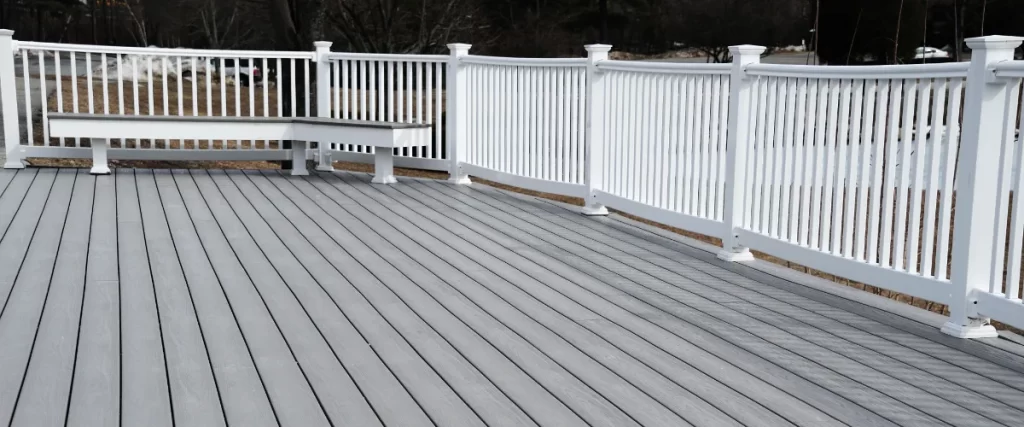
Composite materials continue to grow in popularity. These deck boards mimic the look of natural wood while resisting warping, fading, and splintering.
Many now include recycled content, which appeals to those who want sustainable choices without sacrificing performance. The newer composite options look remarkably close to real wood grain, and the color stays consistent season after season.
Natural wood still has its place, particularly when homeowners choose FSC-certified wood. This ensures the timber comes from responsibly managed forests.
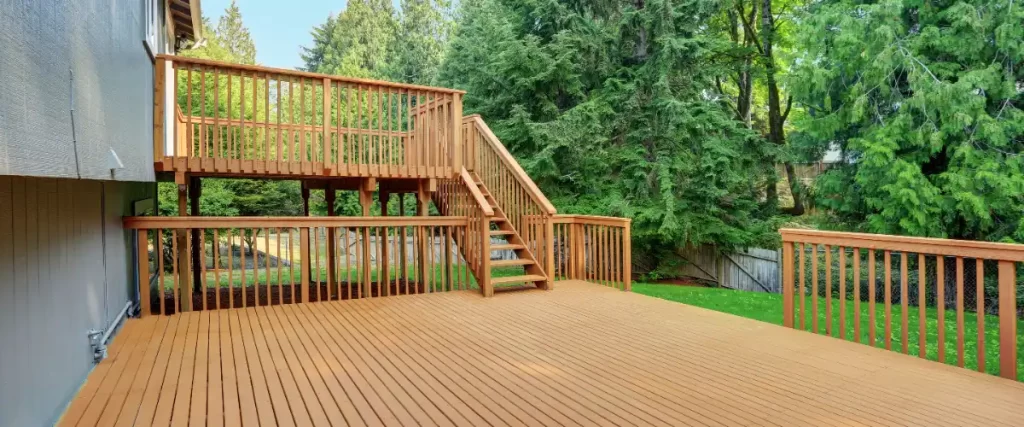
Cedar and redwood remain favorites for their rich tones and natural resistance to decay. They require more maintenance than composite, but many people love the authentic texture and the way weathered wood develops character over time.
Stone accents are appearing more frequently, especially in multi-level layouts. Natural stone on steps or integrated into the deck perimeter adds texture and architectural interest. It’s a way to create visual contrast without overwhelming the design.
Colors Homeowners Are Choosing
The color palette for 2026 leans toward earthy tones. Soft khakis, warm grays, and smoky red browns are replacing the stark whites and cool grays that dominated a few years ago. These colors work well with both traditional homes and modern homes, blending with natural landscaping instead of competing with it.
Omaha homeowners with craftsman-style homes are gravitating toward richer, deeper tones that echo the warm wood trim and natural materials common in that architecture. Contemporary homes often pair lighter deck boards with darker railings to create dramatic contrast.
Here’s a quick look at popular color directions:
| Color Family | Why It Works | Best For |
| Warm grays | Versatile, hides dirt, complements most siding | Contemporary and transitional homes |
| Smoky red browns | Adds warmth, mimics aged wood | Craftsman and traditional homes |
| Soft khakis | Creates a neutral backdrop, brightens shaded areas | Homes with dense landscaping |
| Deep charcoals | Provides bold contrast, modern aesthetic | Modern homes with light-colored exteriors |
Mixing materials and colors is gaining ground too. A lighter deck surface paired with darker trim and stairs creates a layered look that adds depth to the outdoor space.
Features That Enhance Outdoor Living
The deck is shifting from a simple platform to a fully functional outdoor room. Features that improve usability and comfort are center stage.
Built-in seating is one of the most requested additions. Benches integrated along the deck perimeter save space and eliminate the need to constantly move wood furniture around. They also provide extra storage when designed with lift-up seats.
Outdoor kitchens are becoming standard in larger deck builds. A built-in grill, countertop space for prep, and even a small refrigerator transform the deck into a true dining and entertaining zone. This setup encourages more time spent outside and takes pressure off the indoor kitchen during gatherings.
Built-in lighting deserves attention. Recessed lights in deck boards, along stairs, and under railings improve safety while creating ambiance after sunset. Low-voltage LED options keep energy costs down and maintenance low. Lighting extends the hours you can comfortably use the space and adds a subtle sense of luxury.
Glass panels in railings are appearing more often, especially on elevated decks with scenic yards or views. They provide safety without obstructing sightlines. Traditional balusters can chop up the view, while glass maintains unobstructed views and keeps the design feeling open.
Multi-level layouts work beautifully for sloped yards or when homeowners want distinct zones. One level might be dedicated to dining, another to lounging, and a lower section could connect directly to the backyard. The elevation changes add architectural interest and make the outdoor space feel more intentional.
Shade structures are becoming standard considerations. Whether it’s a pergola, retractable awning, or even a full roof over part of the deck, shade makes the space usable during Omaha’s hot summer afternoons. It also protects furniture and extends the life of the deck surface.
Designing for Seamless Flow
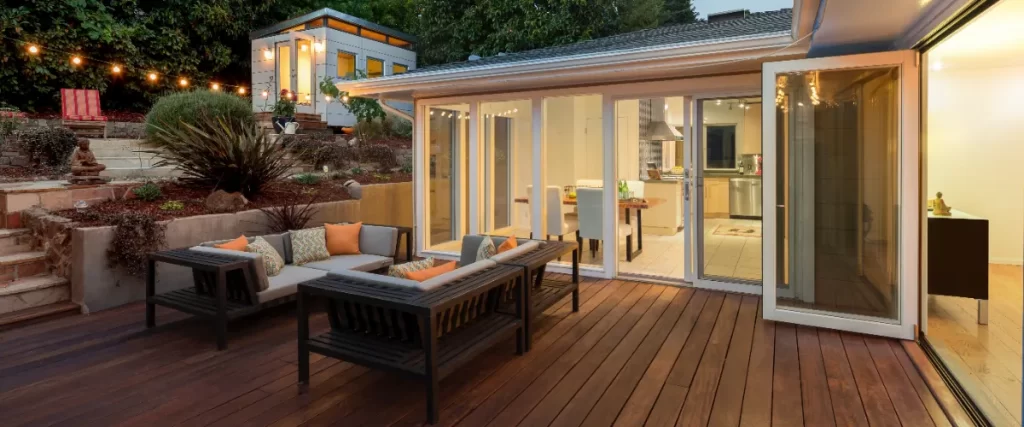
Creating a seamless flow between indoor and outdoor spaces is a priority. Homeowners want to move easily from the interior to the deck without it feeling like two separate worlds. This means paying attention to how the deck connects to the home, both visually and functionally.
Matching or coordinating the deck material with the interior flooring creates continuity. If your home has warm wood tones inside, choosing deck boards in a similar palette makes the transition smoother. Large sliding or folding doors that open fully help blur the line between indoor and outdoor.
The deck should feel like an extension of your home design, not an afterthought. If your house has a modern aesthetic with clean lines, carrying that minimalist approach to the deck reinforces the overall style.
Traditional homes benefit from details like built-in planters, decorative post caps, and railings that echo the home’s existing trim and architectural details.
Practical Considerations
Low maintenance remains a driving factor. Omaha’s weather, from humid summers to freezing winters, can be tough on outdoor structures. Materials that resist moisture, fading, and temperature swings simply make life easier.
Composite materials win here because they don’t require annual staining or sealing. A quick wash with soap and water keeps them looking fresh. Natural wood demands more attention but rewards you with a timeless aesthetic that many homeowners still prefer.
Durability matters when selecting features, too. Built-in elements like seating and lighting should use weather-resistant materials and quality hardware. You want installations that hold up season after season without constant repairs.
Think about how you’ll actually use the space. If you entertain often, an outdoor kitchen and ample seating make sense.
If you’re looking for a quiet retreat, a smaller deck with comfortable lounge furniture and soft lighting might be the better plan. The trend is to build with purpose, creating a space that fits your lifestyle rather than just following what looks good in a magazine.
Ready to Build Your Ideal Outdoor Space?
Planning a deck that combines the right materials, colors, and features takes time. You’re balancing aesthetics with function, upfront costs with long-term maintenance, and personal taste with practical needs. If all of this feels overwhelming, you don’t have to figure it out alone.
Working with experienced professionals who understand Omaha’s climate, local building codes, and current design trends can simplify the process.
They’ll help you navigate material choices, create a layout that works with your yard’s topography, and ensure your deck build meets your expectations without the stress of managing every detail yourself.
Maybe you’d rather spend your time enjoying the finished deck instead of coordinating contractors and troubleshooting issues. That’s where we come in.
Call us at (402) 369-5724 or message us here to start a conversation about what you’re envisioning for your outdoor space. We’ll take it from there.