
Spring rolls around in Eastern Nebraska, and you know what’s coming. Dark clouds, thunder rumbling in the distance, and the unmistakable sound of hail bouncing off your roof. Your deck is sitting out there taking the full force of what Nebraska’s weather throws at it.
Hail damage happens fast. One storm can leave your deck looking like it went ten rounds with Mother Nature, and the repairs add up quicker than you’d think.
Why Eastern Nebraska Homeowners Face Unique Challenges

Nebraska’s unpredictable weather doesn’t mess around. You might wake up to sunshine and go to bed listening to golf ball-sized hail pounding your outdoor space. The Nebraska Emergency Management Agency tracks severe weather events across the state, and their data shows Eastern Nebraska gets hit with particularly intense storm systems during spring and early summer.
Your deck takes abuse from multiple angles. High winds carry flying debris that scratches and dents the surface. Large hail creates divots in softer materials. Flash flooding pools water underneath, and even small hail chips away at protective finishes over time.
The combination does real damage to outdoor areas that weren’t built with durability in mind.
What Hail Actually Does to Your Deck
| Hail Size | Wind Speed | Potential Damage |
| Pea-sized (¼”) | 58+ mph | Minor surface dents, finish damage |
| Marble-sized (½”) | 65+ mph | Moderate dents, cracked boards, damaged railings |
| Golf ball (1.75″) | 70+ mph | Severe cracking, splintered wood, structural issues |
| Tennis ball (2.5″+) | 80+ mph | Complete board failure, broken railings, roof damage |
Even small hail causes problems. The protective coating on composite materials gets pockmarked. Wood decks lose their sealant. Water finds those weak spots and starts rotting the materials from the inside out.
Large hail does immediate, visible damage. Boards crack clean through. Railings snap. Your beautiful outdoor furniture becomes kindling.
The worst part? Most people don’t realize how much protection their deck actually needs until after a storm hits and the damage is done. Then you’re filing insurance claims and dealing with costly repairs when you’d rather be enjoying your Omaha home.
Materials That Can Withstand Hail (And Which Ones Can’t)
Not all deck materials handle hail the same way. Wood looks gorgeous, but takes a beating in severe weather events. Composite decking holds up better, though cheaper brands still dent.
Premium composite materials from the best manufacturers resist impact damage incredibly well:
- Trex: Their boards bounce back from hail impacts that would destroy wood
- TimberTech: Built to handle the specific needs of storm-prone regions
- AZEK: PVC construction means hail just bounces off without leaving marks
Metal railings outlast everything else when storms roll through. Aluminum doesn’t crack, splinter, or rot. One storm season proves the difference between cheap materials and quality protection.
If you’re planning a deck project or considering an upgrade, our guide on choosing the best materials for Nebraska’s climate breaks down which options actually last.
Pre-Storm Protection: What You Can Do Before Weather Hits
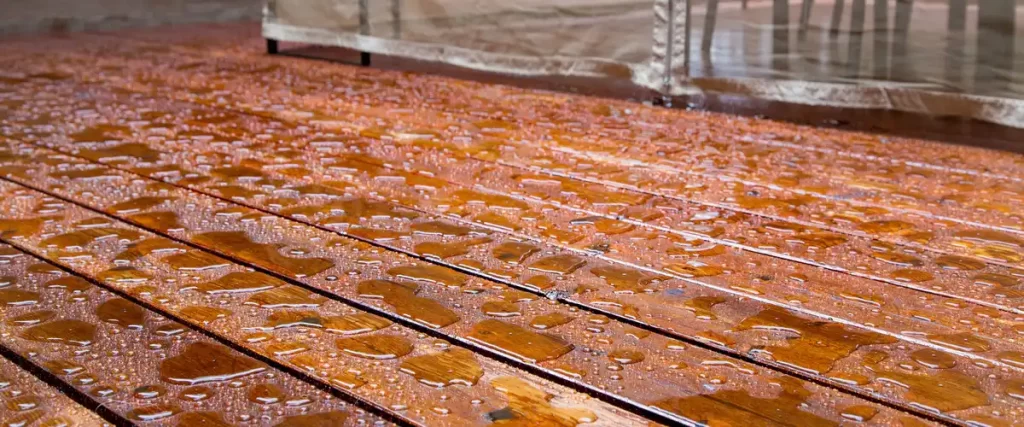
Storm season doesn’t surprise anyone in Eastern Nebraska. You see it coming on the calendar. Here’s what protects your deck before the first hail stone drops:
Seal everything properly. A high-quality sealant creates a barrier against water damage. Apply it when weather conditions allow for proper drying, ideally in late spring before storm season peaks. Check out the best times to stain your deck to get the timing right.
Secure loose items. Outdoor furniture becomes flying debris in high winds. Move it inside or anchor it down. Those decorative planters you love? They’re projectiles waiting to happen.
Clear your gutters. Clogged gutters overflow during storms and dump water right onto your deck. The extra moisture speeds up rot and creates perfect conditions for further damage after the storm passes.
Inspect for existing damage. Small cracks turn into big problems when hail starts falling. Walk your deck and mark any spots that need attention.
Professional installation of impact-resistant materials costs more upfront but saves you from replacing entire sections after every major storm. The initial consultation with a quality deck company helps you understand your risk and plan accordingly.
During the Storm: Damage Control in Real Time
You can’t stop hail from falling, but you can limit what it destroys.
Bring in everything movable. Plants, furniture, grills, decorations. Get them under cover or inside. Windows near your deck might need protection too. Hail breaks glass just as easily as it cracks deck boards.
Stay inside. Your family’s safety matters more than your property. Let the storm do its thing while you wait it out somewhere safe.
After the worst passes, don’t rush outside. High winds might still be throwing debris around. Wait until conditions actually calm down.
Post-Storm Assessment and Repairs
Walk your deck once the storm moves on. Look for:
- Cracked or splintered boards
- Dents in the surface
- Damaged railings
- Pooling water in new spots
- Loose fasteners
- Separated trim pieces
Take photos of everything. Your insurance company needs documentation for claims. Get pictures from multiple angles showing the full extent of storm damage.
Don’t wait to address damage. Water gets into cracks and freezes when temperatures drop. That expansion makes small problems much worse. A minor repair becomes a major replacement if you ignore it for too long.
Some fixes work as DIY projects. Others need professional service from people who understand structural issues. A wobbly railing might just need new screws. Cracked joists supporting your entire deck? That’s a job for pros.
When to Call Professionals vs. DIY Repairs
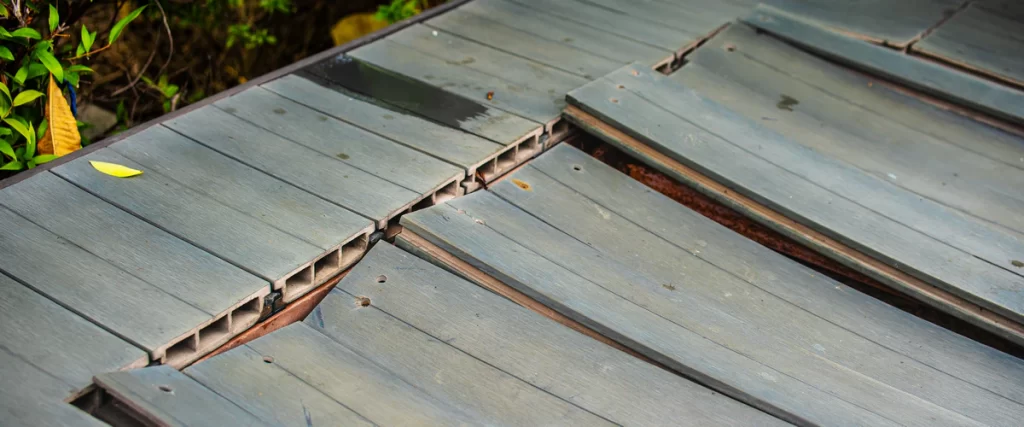
You can handle some repairs yourself. Replacing a single damaged board, tightening loose screws, and cleaning debris off the surface. These tasks don’t require expert advice or specialized tools.
But structural damage needs professional eyes. Sagging sections indicate problems with the supporting frame. Soft spots mean rot has spread beyond what you can see. Multiple cracked boards suggest the whole deck took more abuse than a quick patch job will fix.
Storm damage restoration involves more than slapping new boards over old problems. Professionals check the entire structure, identify hidden issues, and create solutions that prevent the same damage next time around.
Your deck connects to your house. Problems with that connection can lead to roof repairs, siding issues, and water damage inside your home. That attachment point matters.
The Real Cost of Ignoring Hail Damage
Small dents become splinters. Splinters catch on bare feet and clothing. Water seeps in through the damaged finish and starts rotting the wood underneath. What started as cosmetic damage turns into a safety hazard.
Ignoring damage also tanks your curb appeal and property value. A beat-up deck tells buyers the house hasn’t been maintained. Appraisers notice. Your home’s aesthetic appeal takes a hit every time you ignore obvious damage from severe weather.
Insurance companies have time limits on claims. Miss that window and you’re paying for repairs out of pocket. The difference between a covered repair and an expensive bill often comes down to how quickly you act after a storm hits.
Energy efficiency suffers too. Damaged deck surfaces allow moisture near your home’s foundation. That moisture affects your basement, raises humidity levels inside, and drives up energy bills as your HVAC system works harder.
FAQ: Your Hail Protection Questions Answered
Q: How much hail damage warrants calling my insurance company?
Any visible damage should get documented and reported. Minor dents might not meet your deductible, but large cracks, broken boards, or structural issues usually qualify for coverage. Take photos first, call your agent second.
Q: Can I prevent all hail damage to my deck?
No deck is completely hail-proof, but the right materials and proper maintenance make a massive difference in how much damage actually occurs. Premium composites handle impacts that would destroy standard wood decking.
Q: How long does storm damage restoration typically take?
Simple repairs might take a day or two. Extensive damage requiring multiple board replacements and structural work can stretch over a week or more, depending on material availability and the scope of the project.
Q: Will sealing my deck really protect it from hail?
Sealing doesn’t prevent impact damage from hail strikes, but it does protect against the water damage that follows. Sealed decks shed moisture better and resist the rot that starts in damaged areas.
Q: Should I upgrade to composite after hail destroys my wood deck?
If insurance is covering the replacement anyway, upgrading to composite makes sense for many Nebraska homeowners. The durability and lower maintenance create long-term value that wood can’t match.
Listen, Maybe Just Call Us Instead
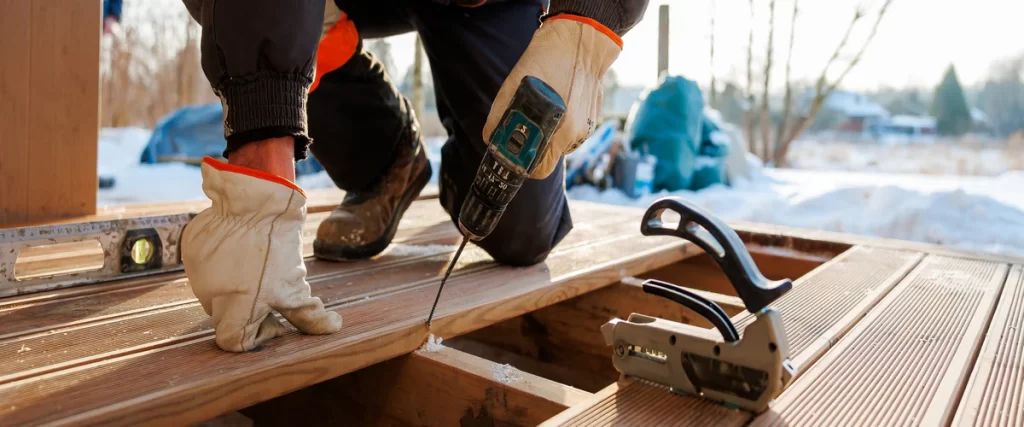
You could tackle this yourself. Buy the right materials, seal everything perfectly, inspect for damage, make repairs, and hope you got it all right.
Or you could call people who do this professionally and stop worrying about whether your deck will survive the next storm.
We’ve repaired hundreds of decks around Omaha and the surrounding communities after severe weather rolled through. We know which materials actually work in Nebraska’s weather. We spot structural problems that homeowners miss. We handle the insurance documentation, source the right replacement materials, and get your outdoor area back to where it should be.
Your time has value. So does your peace of mind. Knowing your deck was built or repaired by professionals who understand Eastern Nebraska’s unique weather challenges makes the next storm season a lot less stressful.
If your deck took a beating from recent hail or you want to upgrade before the next storm hits, check out our deck repair services to see how we can help.
Call us at (402) 369-5724 or message us here, and let’s talk about protecting your outdoor space the right way.