
Building a beautiful deck when you have a septic system isn’t impossible. It just takes a little extra planning.
Homeowners across Eastern Nebraska face this challenge every day. Your dream outdoor space sits somewhere above or near your septic tank, and you’re wondering how to make it work. The good news? With the right approach, you can create an amazing outdoor living area without compromising your wastewater system.
Let’s walk through what you need to know.
Why Your Septic System Location Matters
Your septic system includes more than just a tank buried in your yard. There’s the tank itself, the drain field where wastewater gets filtered through soil, and all the pipes connecting everything. When planning deck additions for homes with septic systems in Eastern NE, these components determine where you can and can’t build.
The Nebraska Department of Environmental Quality regulates septic systems throughout the state. They’ve set specific requirements to protect groundwater and ensure systems work properly for years to come. Most setback rules require at least 5 feet of clearance from any building foundation or deck structure to your septic tank.
Your drain field needs even more breathing room. These areas need exposure to air and can’t handle heavy-weight pressing down on them. A deck sitting directly over your drain field could compact the soil and prevent proper wastewater treatment. That leads to backups, expensive repairs, and potential health hazards.
Getting Started: Know What’s Underground
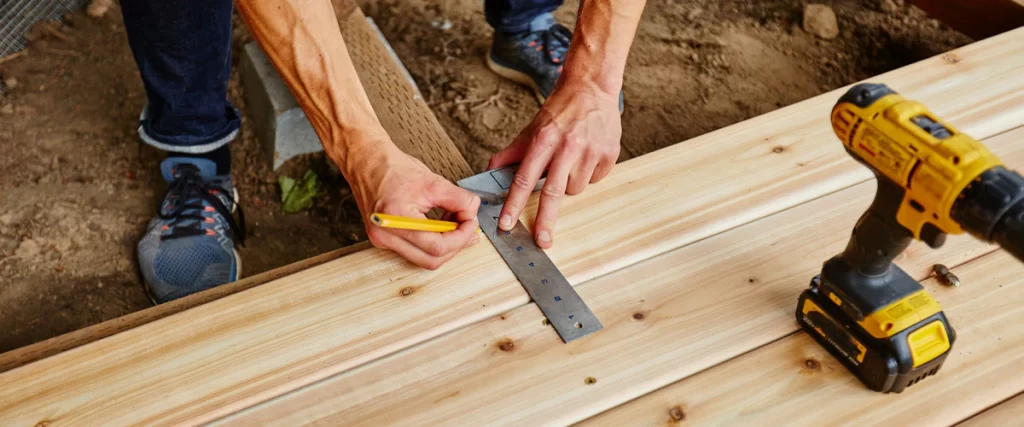
Before you contact any contractors about deck construction, find your septic system components. Some homeowners have original installation records showing exactly where everything sits. Others need to do a bit of detective work.
Look for these telltale signs in your backyard:
- Patches of lusher, greener grass where the drain field might be located
- Septic tank risers or access covers poking through the ground
- Rectangular depressions or slight mounds indicating buried tanks or fields
- Keep-out zones that previous owners avoided when landscaping
Can’t locate everything on your own? A septic professional can map your system using probes or even ground-penetrating radar for precision measurements. This investment saves you from costly mistakes during deck installation.
Working Within Local Building Codes
Eastern Nebraska communities have their own local codes layered on top of state regulations. Omaha neighborhoods often have additional requirements based on lot sizes and neighborhood standards. Some areas allow you to build closer to septic components than others, especially with specific engineering modifications.
Getting permits before construction starts keeps your project legal and protects your property value. Most municipalities require deck permits for structures above a certain height or size. The permit process verifies your plans meet safety standards and won’t interfere with underground utilities.
Your local building department can tell you exactly what documentation you’ll need. They’ll want to see the location of your septic system, the proposed deck layout, and the construction methods. This transparency ensures everyone’s on the same page from day one.
Material Selection That Works With Your Property
Composite decking has become a popular choice for many Eastern Nebraska homeowners. These synthetic boards combine durability with low maintenance requirements. You won’t spend weekends staining or sealing like you would with a wooden deck.
The materials you choose affect more than just aesthetics. Heavier materials might require different foundation strategies, especially near septic systems. A custom deck design takes all these factors into account.
Comparing Your Options
| Material Type | Maintenance Level | Weight Considerations | Climate Performance |
| Composite | Low | Moderate | Excellent in humid summers and cold winters |
| Pressure-Treated Wood | High | Light to moderate | Good with regular upkeep |
| Cedar | Moderate | Light | Natural resistance but needs protection from UV exposure |
| Aluminum Railings | Minimal | Light | Outstanding durability in all weather |
Each material has strengths depending on your outdoor vision and budget. Experienced professionals can help you balance quality materials with practical installation methods that respect your septic system boundaries.
Foundation Strategies for Septic-Friendly Decks
Traditional deck footings go deep into the ground. When you’re building near a septic system, that depth becomes complicated. You can’t drill through drain field pipes or compromise tank integrity.
Floating deck designs offer one solution. These structures rest on concrete blocks or adjustable pedestals instead of deep footings. The entire deck sits on the surface without penetrating far underground. This approach works beautifully for smaller outdoor living spaces.
Pier footings placed strategically outside septic setback zones let you build larger decks. The key is precise measurements and careful planning during your initial consultation. Contractors experienced with septic systems know exactly how to position supports for structural integrity without hitting underground components.
Some elevated deck designs actually work to your advantage. Raising the deck level lets you clear septic tank access points while creating unique entertainment areas underneath. Built in seating, storage, or landscaping features can transform that elevated space into something special.
Design Ideas That Maximize Your Space
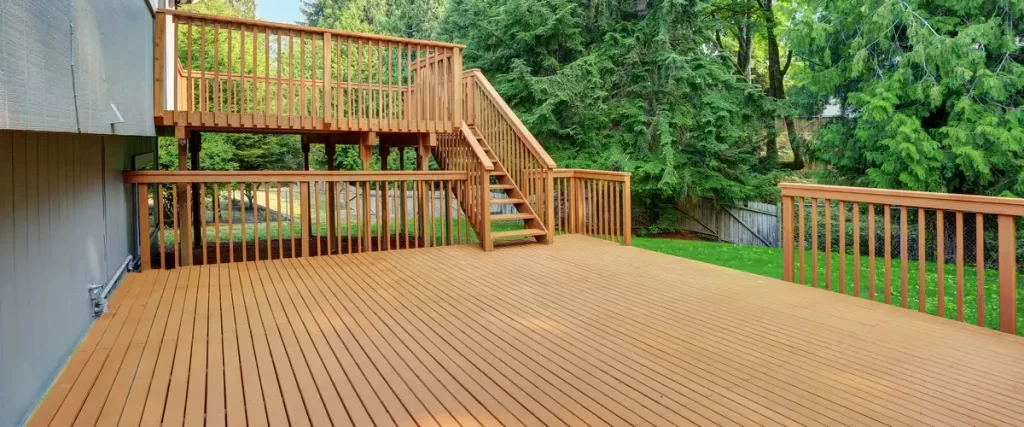
Just because you have a septic system doesn’t mean you’re stuck with a tiny deck. Creative design solutions let you expand your outdoor living solutions while respecting necessary boundaries.
L-shaped or wraparound decks can flow around septic system locations. These designs give you plenty of square footage for dining and entertaining without encroaching on restricted areas. Multi-level decks add visual interest while working within your property’s natural constraints.
Think about how your family will actually use the space. Do you envision quiet morning coffee? Weekend barbecues with friends? A combination of both? Your lifestyle shapes the perfect deck layout.
Railings contribute more to your deck design than safety alone. They define spaces, add curb appeal, and can incorporate lighting for evening ambiance. Quality materials like aluminum resist corrosion from moisture and stand up to Nebraska’s humid summers without constant maintenance.
The Construction Process Timeline
Professional deck installation typically moves through several clear phases. Understanding what happens when helps you plan around your schedule and budget.
First comes the site evaluation and material selection. Your team measures everything, confirms septic system locations, and finalizes your custom deck construction plan. This groundwork phase might feel slow, but it prevents expensive do-overs later.
Next, permit applications and approvals happen. Processing times vary by location, though most Eastern Nebraska communities move fairly quickly once they receive complete applications.
Construction itself often surprises homeowners with how fast it progresses. Skilled contractors can complete many deck projects in just days or a couple weeks, depending on size and complexity. The finished product transforms your backyard into a genuine outdoor oasis.
Real Costs and Hidden Considerations
Deck projects require honest budget conversations. Custom deck design costs more than cookie-cutter approaches, but you’re paying for solutions tailored to your property’s unique challenges.
Breaking down typical investment ranges:
Smaller decks (10×12 to 12×14) with basic features start around $4,000-$8,000. These work well for homes with limited yard space or tight septic system constraints.
Medium decks (14×16 to 16×20) with upgraded materials and features typically run $8,000-$15,000. This range includes quality composite decking and professional-grade railings that last decades.
Larger or multi-level custom builds can reach $15,000-$30,000+, depending on materials, features, and site complexity. Homes with challenging septic layouts might land in this range even for moderate-sized decks.
Reputable contractors provide free estimates that account for your septic system situation. They’ll explain any additional costs upfront rather than surprising you with hidden fees mid-project. That transparent process builds trust and keeps everyone comfortable throughout construction.
Maintenance Access Matters
Your septic system needs periodic pumping and occasional repairs. Any deck you build must allow technicians to reach tank lids and perform necessary maintenance.
Deck designs incorporating removable panels or hatches solve this beautifully. These access points blend into your deck surface but lift away when needed. Your septic service company will thank you for the thoughtful planning.
Some homeowners prefer locating tanks outside the deck footprint entirely. This eliminates access concerns but might limit deck size or placement options. Discuss both approaches during your initial consultation to find what fits your property best.
Climate Considerations for Omaha, NE and Beyond
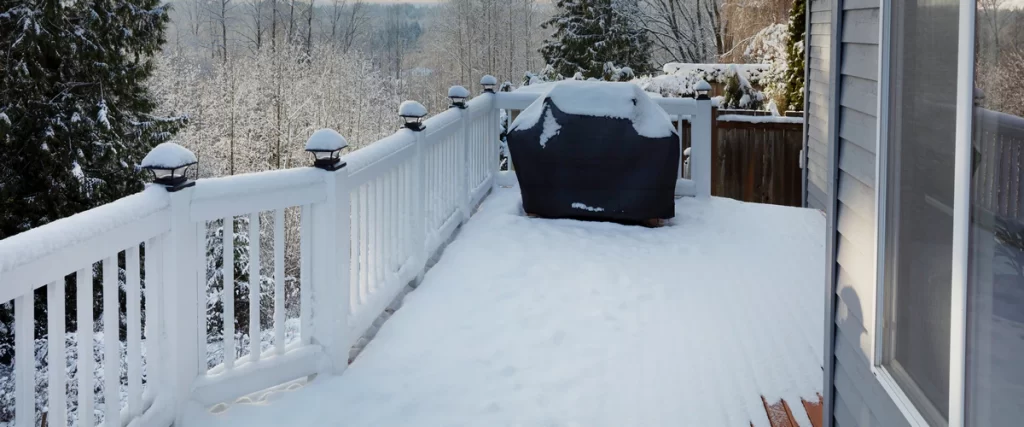
Eastern Nebraska weather puts outdoor structures through their paces. Winter brings freezing temperatures and snow. Summer delivers heat, humidity, and intense UV exposure. Your deck materials need to handle these extremes year after year.
Composite decking maintains its appearance and structural integrity better than traditional wood in these conditions. The plastic components resist moisture absorption that causes warping and rot. UV-resistant formulations prevent fading even during our brightest summer months.
Proper drainage keeps water away from your deck foundation and septic system alike. Skilled contractors plan for water runoff during the design phase, protecting both your investment and your property’s wastewater management.
Finding Experienced Professionals in Omaha and Eastern NE
Not every deck builder understands septic system challenges. You need a team with local expertise who’ve tackled similar projects successfully.
Look for contractors who:
- Ask detailed questions about your septic system during estimates
- Coordinate with septic professionals if needed for system mapping
- Explain setback requirements specific to Eastern Nebraska
- Offer code compliant builds backed by proper permits
- Provide references from customers with similar situations
A great company treats your home value and safety as seriously as you do. They’ll walk you through the entire process, from initial concept to final inspection.
If you’re curious about structural considerations when building any deck, our blog covering deck blocking and bridging explains how professional contractors ensure lasting stability. Understanding these fundamentals helps you appreciate the craftsmanship going into your project.
For homeowners weighing different surface options, checking out comparisons between various materials can clarify which choice best fits your maintenance preferences and budget.
Frequently Asked Questions
How close can I build a deck to my septic tank?
Most Nebraska regulations require at least 5 feet of clearance between deck supports and septic tanks. Your local codes might have different requirements, so always verify before starting construction. Some elevated deck designs let you maintain clearance while maximizing usable deck space.
Can I build a deck over my septic drain field?
Generally not recommended. Drain fields need air exposure and can’t support heavy weight. Compacted soil prevents proper wastewater treatment, leading to system failure. Work with professionals to design around these areas instead.
Will adding a deck affect my septic system warranty?
Possibly, if construction damages system components or violates installation guidelines. Always inform your septic service provider about deck plans. Reputable deck contractors coordinate with septic professionals to protect your system and its warranty.
What happens if we discover septic issues during deck construction?
Honest contractors pause work and help you address septic problems before continuing. This protects your investment in both systems. While delays feel frustrating, discovering issues early prevents much bigger headaches down the road.
Do I need special permits for decks near septic systems?
Standard deck permits typically cover the requirements, but your local building department will verify septic system locations during review. They ensure your plans meet all setback rules and won’t compromise wastewater treatment. This regulatory oversight actually protects homeowners from costly mistakes.
Skip the Headache, Enjoy the Results
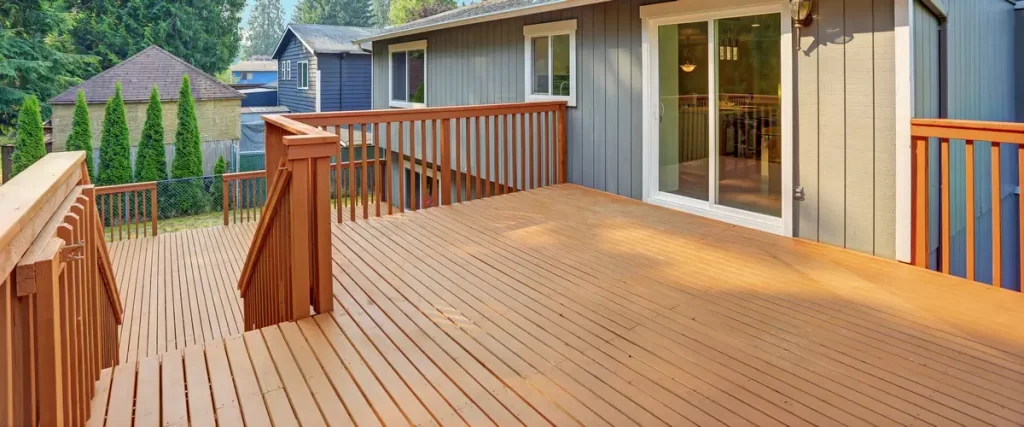
You’ve now learned about setback requirements, material choices, foundation options, local building codes, and design strategies for creating beautiful decks near septic systems. That’s a lot of information to process and coordinate.
Many Eastern Nebraska homeowners reach this point and think, “This sounds complicated. Maybe I should just call someone who knows exactly what they’re doing.”
That’s exactly the right instinct.
Custom deck construction near septic systems requires experience, precision, and knowledge of both deck building and wastewater systems. One miscalculation can damage your septic components, violate building codes, or create an unstable outdoor space. The stress of coordinating permits, contractors, materials, and installation schedules on your own rarely feels worth the hassle.
Professional deck builders handle these challenges every single day. We know Eastern Nebraska soil conditions. We understand local codes in Omaha and surrounding communities. We’ve built countless decks that work beautifully alongside septic systems because we take time to plan properly from the start.
Your family deserves to enjoy your backyard without worrying whether your deck is safe, legal, and properly installed. You deserve a team that shows up on time, communicates clearly, and delivers a finished product that enhances your home value and lifestyle.
Ready to transform your outdoor space into something extraordinary? For more information about our deck building services, call us at (402) 369-5724 or message us here. Let’s create an outdoor living solution that respects your property, meets all regulations, and exceeds your expectations.