
Pricing and problem insights updated for 2026 based on recent homeowner reports, field repairs, and contractor experience.
Composite decks have become a popular choice for homeowners in recent years. They are made of recycled materials and require less maintenance than traditional decks.
However, there are some composite deck problems that you should be aware of before deciding whether or not to install one for your home.
Being the world’s largest manufacturer of wood-alternative decking products, trex is starting to become an eponym (when the brand name becomes a noun). In this article, when we talk about “trex decking” we mean composite decking because that’s how many homeowners refer to it. We proudly use trex materials when building our decks, so these are common issues found with composite decking in general, and not specific problems with trex decking.
Let’s discuss the pros and cons of composite decking so that you can make an informed decision about whether or not it is the right choice for you.
Having Issues With Your Trex Deck?
Quick Diagnostic Checklist:
- Boards feel soft, bouncy, or uneven
- Surface is getting too hot to walk on
- Fading, staining, or discoloration appearing
- Fasteners are popping or boards are shifting
- Water pooling or poor drainage
- Mold or mildew forming on surface
Call Now: (402) 369-5724
Is Trex Worth It Despite These Problems?
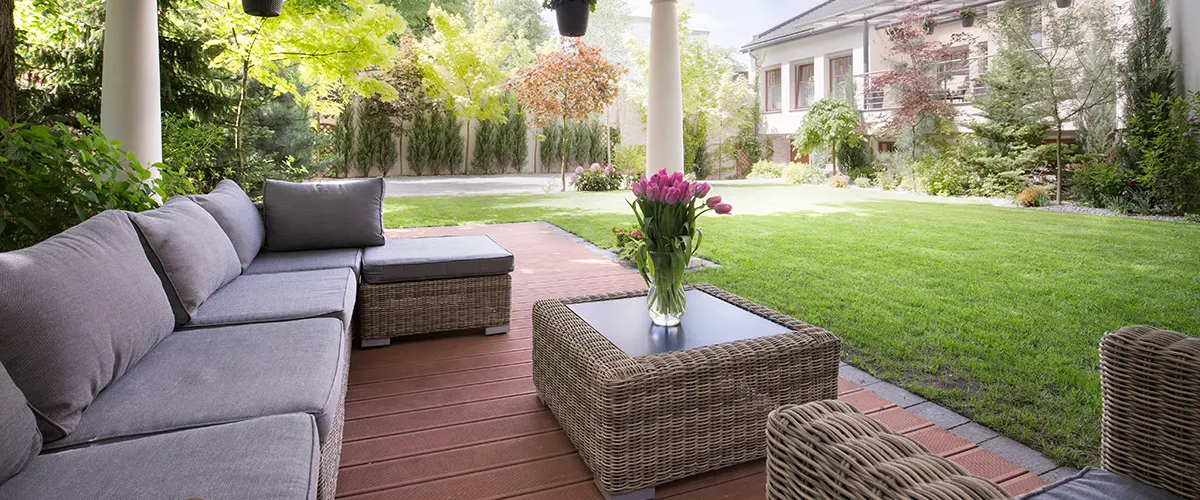
Trex offers long-term durability and low maintenance compared to wood, but it is not perfect. Here are three balanced points to keep in mind
- Installation quality matters: Many problems stem from poor installation rather than the material itself. Proper spacing, fasteners, and assembly matter more than the board brand.
- Heat and expansion are real: Composite decking expands and contracts more than wood, especially in hot climates, which can cause movement if not accounted for.
- Spacing prevents most issues: When boards are spaced properly and fastened correctly, the majority of common problems can be avoided or minimized.
Composite deck problems and how to solve them
1. Improper Framing And High Temperatures
- What Causes It? Temperature swings combined with improper framing, undersized joists, or installing composite over unstable or shrinking lumber.
- How to Prevent It? Use proper joist spacing, follow manufacturer spacing guidelines, and avoid installing composite decking over old or deteriorating framing.
- Can It Be Fixed? Minor movement can sometimes be corrected by refastening boards. Severe shifting or curling may require partial reinstallation and framing adjustments.
In extreme cases, large temperature swings can cause the composite boards to expand and contract, and shift around. Also, the way the decking is framed will have a big influence on how well it performs.
The drying and shrinking of framing lumber can cause the composite boards to change shape and move with the frame, so it’s important that your deck builder uses proper materials for framing your trex deck. If installed incorrectly, the boards might come loose from their frame or curl up at the ends.
Keep in mind that installing composite decking over an old wooden frame is not a great idea as framing for composite decking requires special care.
2. Is Composite Deck Slippery When Wet?
- What Causes It? Smooth board finishes, standing water, algae growth, and fine wood-grain patterns.
- How to Prevent It? Choose boards with deeper embossing or traction patterns, ensure proper drainage, and clean the surface regularly.
- Can It Be Fixed? Yes. Improving drainage and cleaning the surface usually resolves traction issues. In rare cases, board replacement may be considered for high-risk areas.
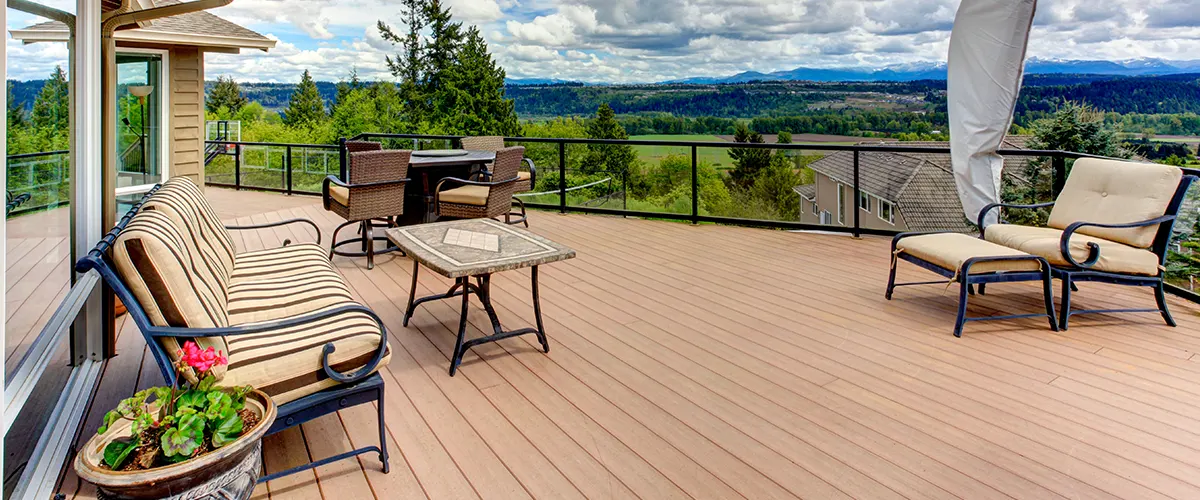
Composite decks can become slippery when wet, but it’s usually not a big problem. Stained and painted wood decks will often slip more than a composite deck. To reduce slipping to a minimum, try choosing a composite board option with more prominent grooves instead of a fine wood-grain look. This will increase the surface traction. You can even combine two different-looking grains and use the non-slippery one in high-trafficked areas and the fine-grained one on the rest of your deck.
3. Mold and mildew on composite deck
- What Causes It? Organic debris such as leaves and pollen combined with moisture and shade.
- How to Prevent It? Clean the deck regularly, remove debris buildup, and maintain airflow around the structure.
- Can It Be Fixed? Yes. Most mold and mildew can be removed with manufacturer-approved cleaners and routine maintenance.
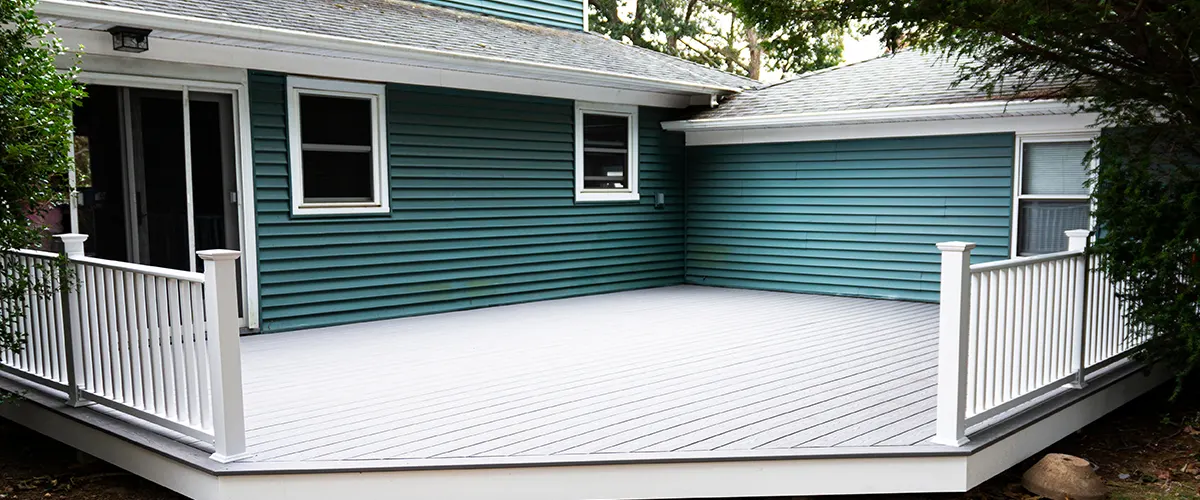
Mold and mildew can form on composite decking if not properly cleaned or if you live in a humid environment. But it’s only an unsightly issue, as mold and mildew cannot damage a capped (PVC-coated) composite deck.
To prevent mold from forming on your deck, you should clean it regularly with soap and water or deck-dedicated products.
4. Composite Decking Cannot be Repainted
- What Causes It? The color is integrated into the composite material during manufacturing, making surface repainting impractical.
- How to Prevent It? Choose your color carefully and review full-size samples in natural light before installation.
- Can It Be Fixed? Color changes cannot be reversed. The only way to alter appearance significantly is through board replacement.
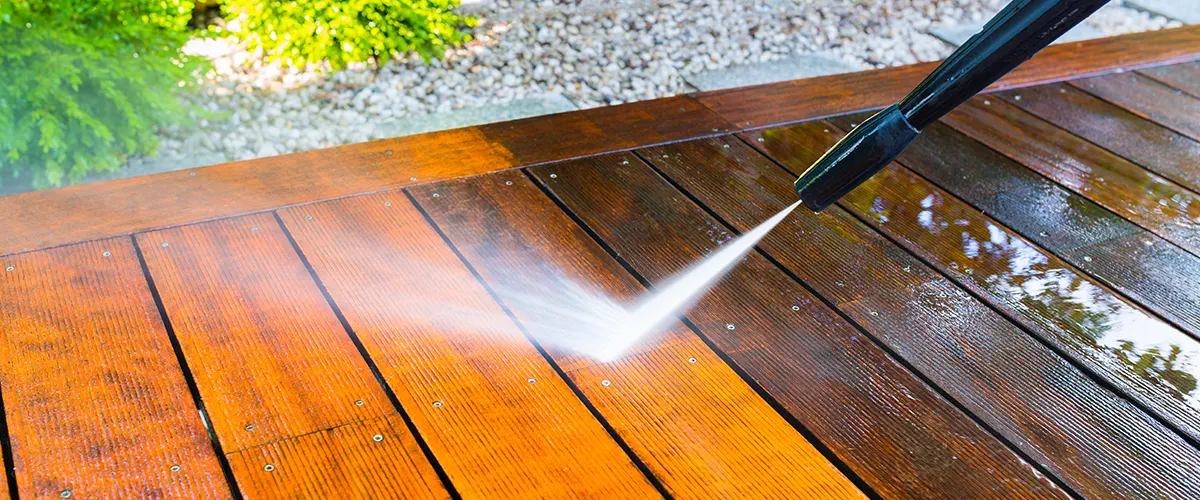
To prevent fading and extra maintenance, the color of composite decking boards is mixed in with wood fibers, recycled plastic, and bonding agents, so it cannot be changed if you want a different color. Make sure to choose a color that you know you’ll love for years to come, and keep in mind that certain discoloration is inevitable, even with high-end composite boards, with dark colors being more susceptible to some fading.
5. Composite Decking Can Lack The Real Wood Look
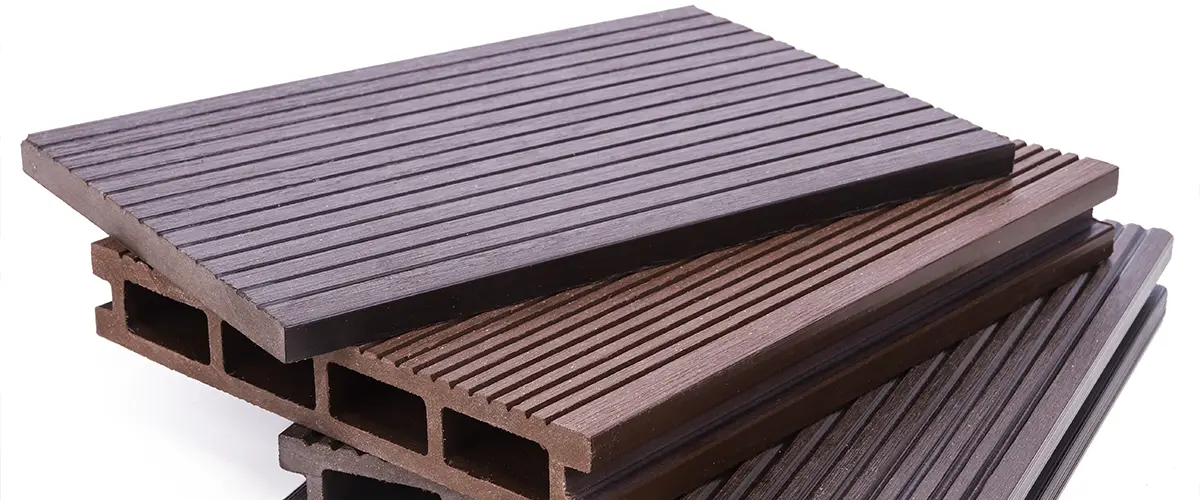
- What Causes It? Manufactured grain patterns and controlled color blending create a more consistent look than natural lumber.
- How to Prevent It? Select premium lines with deeper grain embossing and more varied color patterns.
- Can It Be Fixed? Appearance preferences are subjective. Upgrading to higher-end composite lines can improve realism.
This is both a pro and a con, depending on who you ask. While some homeowners love the vibrance and the uneven look real wood has, others will want the more cohesive, seamless look of a composite deck.
These being said, composite decking boards offer a very even color as compared to wooden decks.
6. Price Tag And Environmental Care
- What Causes It? Composite materials, manufacturing processes, and longer warranties increase production cost compared to raw lumber.
- How to Prevent It? Plan your project budget realistically and compare long-term maintenance savings against upfront cost.
- Can It Be Fixed? Upfront pricing cannot be reduced without changing materials, but composite decking typically requires less maintenance over time.
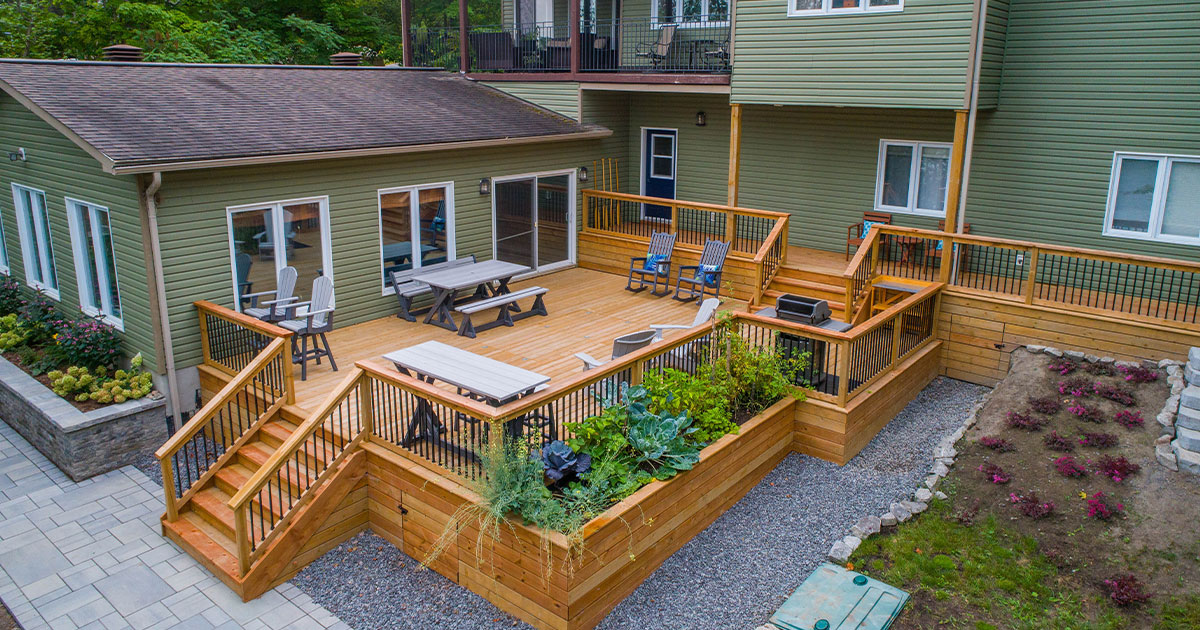
Another drawback is the price tag. Composite decking is typically more expensive than traditional wood, with 15 to 25% more.
Yet, composite decking is a more environmentally friendly option than traditional decks. Wood decks require forests to be cut down, while composite decks are made from recycled materials. This makes composite decking a more sustainable choice than wood.
How Trex Compares to TimberTech and Fiberon
| Issue | Trex | TimberTech | Fiberon |
|---|---|---|---|
| Fading/Color Change | Moderate | Lower | Moderate |
| Expansion & Contraction | Higher | Lower | Moderate |
| Surface Traction When Wet | Good with grooved boards | Generally better | Good with traction options |
| Mold/Mildew Resistance | Good (capped) | Very good (capped) | Very good (capped) |
| Scratch Resistance | Moderate | Higher (premium lines) | Higher (premium lines) |
Composite decks and their advantages
Composite decks offer several benefits over traditional decks. They are low-maintenance, requiring no staining or sealing, and resistant to rot, insects, and weathering, making them a durable option. Composite decking is made of recycled materials, and you can choose to build them in various colors and styles.
Which type of deck is right for you - composite or wooden?
- While a wood decking may require periodic painting or staining, a composite deck will never need to be treated with any sealant or finish.
- A composite deck board is also much more durable than wood deck boards, and it typically requires much less maintenance.
- Traditional decks are made of natural wood, which can be stained or painted to protect them from the weather. The main disadvantage is that they may also fade in color over time. Traditional decks are susceptible to insect damage, but this can be prevented by using a sealant or coating.
- Finally, composite decking is more durable than wood and better suited for heavy traffic areas.
In the end, the best type of deck for you depends on your budget and your lifestyle.
If you are looking for a low-maintenance option, then composite decks may be the best choice.
If you can’t leave without that real wood look, go with a wooden deck. While they don’t last as long as composite decks, there are professional sealants and maintenance techniques that will help you keep your wooden deck safe.
What are the disadvantages of Trex decking?
Trex is a popular low-maintenance composite material, but it still has a few drawbacks homeowners should know about:
1. Higher upfront cost
Trex decking is more expensive than most wood options, especially pressure-treated lumber. The long-term savings come from reduced maintenance, but the initial price can be a hurdle.
2. Can get hot in direct sunlight
Like most composite boards, Trex can feel hotter underfoot than natural wood on very sunny days—especially darker colors.
3. Not completely scratch-proof
Trex is durable, but heavy furniture, sharp objects, or dragging items across the deck can still cause surface scratches.
4. Potential for fading or discoloration
Although capped Trex boards resist fading much better than older composites, long-term UV exposure or certain chemical stains can still change the color slightly.
5. Mold or mildew buildup in damp, shaded areas
Trex doesn’t rot, but organic debris (pollen, dirt, food, etc.) can support mold or algae growth if the deck is not cleaned occasionally.
6. Weight
Composite boards are heavier than wood, so they may require stronger framing or more labor during installation.
Overall, Trex offers excellent longevity with minimal maintenance, but these disadvantages help set realistic expectations for homeowners.
Is Trex slippery when wet?
Generally, Trex decking is not considered slippery when wet, especially compared to older composite brands. Trex boards are designed with textured, low-gloss surfaces that improve traction. However, any deck material can feel slippery if there’s mold, algae, pollen buildup, snow, or ice on the boards.
If your Trex deck feels slippery, the most common causes are:
- Algae or mildew growth in shaded or damp areas
- Pollen or dirt buildup on the surface
- Snow or ice accumulation
- Improper cleaning products that leave a film
Regular cleaning and good drainage usually prevent slippery surfaces. For problem areas, adding traction strips, anti-slip mats, or improving sun exposure/airflow can also help.
What is Trex made of?
Trex decking is made from a blend of 95% recycled materials, including recycled wood fibers and recycled plastics (like grocery bags and plastic film). These materials are combined and formed into durable composite boards designed to mimic the look of natural wood.
A Trex board typically contains:
- Reclaimed wood fibers (sawdust, wood shavings)
- Recycled polyethylene plastics
- Protective outer shell (capped composite) that resists fading, staining, mold, and moisture
This combination makes Trex low-maintenance, long-lasting, and resistant to rot and insects, unlike traditional wood decking.
Deck Building Cost Calculator
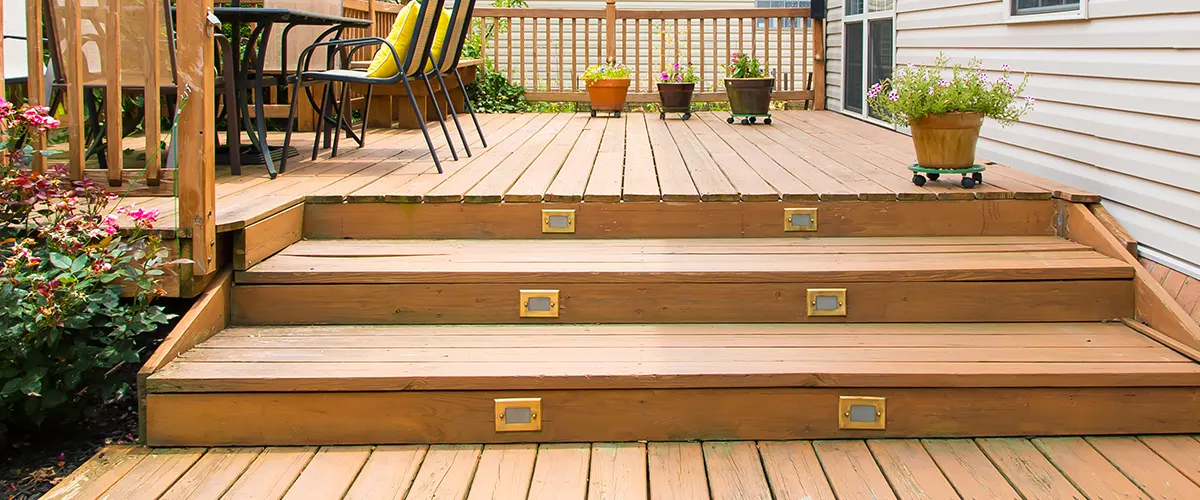
We’ve built this deck building cost calculator to help you determine an approximate cost for your new deck. We’ve included the labor in the final cost as well to give you as much of a precise quote as we can.
Trex Deck Repair & Fix Costs in Omaha Area
Board replacement
$25 – $60 per board (material + labor)
Heat damage / warped boards
$500 – $3,000+ depending on severity
Fastener / spacing fixes
$300 – $1,500
Mold / mildew treatment
$250 – $1,200
Partial deck repair
$1,500 – $8,000+
Costs vary based on deck size, material line, and condition.
Our Contractor Insight on Trex Deck Problems
After building and repairing composite decks for years, we’ve seen that most Trex “problems” are not product failures. They’re installation mistakes, poor framing, or unrealistic expectations about heat and expansion.
Trex performs well when it’s installed correctly, spaced properly, and supported by solid framing. When shortcuts are taken, issues show up fast.
If you’re concerned about heat, movement, mold, or long-term durability, the solution usually isn’t switching brands. It’s making sure the deck is designed and built the right way from the start.
The biggest difference between a problem deck and a long-lasting one is professional planning and installation.
Build Your Trex Deck the Right Way
If you’re deciding between Trex and another composite brand, or if you’re worried about potential issues before building, we can walk you through the pros and trade-offs for your specific project.
We’ll evaluate:
- Your deck height and exposure
- Framing condition
- Board selection
- Railing options
- Climate considerations
- Let’s make sure your deck is built right the first time.
Not sure what’s causing your Trex deck issues?
About the Author

Luan is the owner of Deck Bros, a leading deck building company serving homeowners across Omaha and Lincoln, Nebraska. With over a decade of experience and more than 500 composite decks built and restored, Luan brings unmatched hands-on knowledge to every project. His goal? To help homeowners make smarter, longer-lasting choices for their outdoor spaces, without the marketing fluff.