
Building or replacing a deck used to mean choosing between different types of traditional wood. You picked cedar, redwood, or pressure-treated lumber and accepted the regular maintenance that came with it. The environmental impact rarely entered the conversation.
That’s changed. More homeowners want outdoor spaces that look great and align with their values around sustainability. The good news is that eco-friendly decking options have improved dramatically. You can build a beautiful deck while reducing waste, conserving natural resources, and minimizing your environmental footprint.
Why Sustainable Decking Matters
The materials you choose for your deck create a lasting impact. Traditional wood decking often comes from virgin forests. Pressure-treated wood involves chemical treatments that raise environmental concerns. The production process consumes energy and generates waste.
Natural wood requires regular staining and sealing with products that can contain volatile organic compounds. Over time, wood decks need replacement, sending thousands of pounds of material to landfills. The cycle repeats every 10-15 years for many homeowners.
Sustainable decking materials address these problems. They reduce demand for virgin resources. Many incorporate recycled content that would otherwise end up in landfills. They last longer and need minimal maintenance, which means fewer chemicals are used over the deck’s lifetime.
Composite Decking: The Recycled Champion
Composite decking combines recycled wood fibers with recycled plastic to create durable deck boards. The wood component typically comes from sawdust and wood scraps from manufacturing. The plastic comes from reclaimed materials like plastic bags, plastic film, and other post-consumer waste.
Major manufacturers like Trex have diverted millions of pounds of plastic and wood waste from landfills. Trex decking alone recycles approximately 500 million pounds of materials annually. That’s a substantial amount of waste getting a second life as beautiful, functional outdoor spaces.
How Composite Performs
Composite deck boards resist moisture, fading, and insect infestations. Unlike wood, they won’t rot, splinter, or warp. The low-maintenance attributes mean you skip annual staining and sealing. A simple wash with soap and water keeps them looking good.
Modern composite decking materials offer impressive aesthetics. Textured surfaces mimic natural wood grain. Colors range from rich browns to soft grays. Capped composites add a protective shell that enhances stain resistance and fade resistance even under harsh sun exposure.
Installation works similarly to traditional wood decking. You can use hidden fastening systems that eliminate visible screws for a cleaner look. Proper spacing between boards allows for thermal expansion, which matters since composite materials shift slightly with temperature changes.
The Environmental Side
Recycled composite decking keeps materials out of landfills while reducing the need to harvest new trees. The manufacturing process does require energy, but many producers have improved efficiency and use renewable energy sources to reduce their carbon footprint.
The longevity factor matters environmentally too. Composite decks last 25-30 years or more with minimal upkeep. Traditional wood decks often need replacement after 10-15 years. Fewer replacements mean less material consumption and waste over time.
Some composite products contain higher recycled content than others. Look for options with 90%+ recycled materials if maximizing sustainability is your priority. Many carry certifications from organizations like the Green Building Council.
PVC Decking: The Plastic Alternative
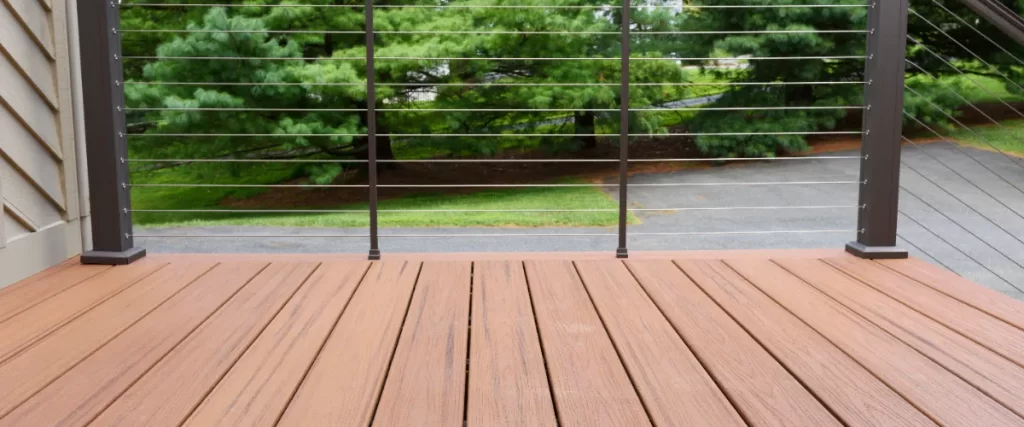
PVC decking takes a different approach. These boards consist entirely of polyvinyl chloride plastic with no wood content. The material is fully synthetic, which some people view as less natural but offers specific performance advantages.
Performance and Durability
PVC handles moisture exceptionally well. It won’t absorb water, which makes it ideal for areas with high humidity or frequent rain. The moisture resistance prevents mold, mildew, and rot completely.
Color stability surpasses most other decking materials. PVC decking maintains its appearance even with intense sun exposure. The colors go all the way through the boards rather than just surface coating, so scratches or cuts don’t reveal a different color underneath.
PVC offers the lowest maintenance of any decking option. You’re looking at occasional cleaning and nothing more. No staining, no sealing, no special treatments. The minimal maintenance appeals to homeowners who want an outdoor retreat without the upkeep burden.
Environmental Considerations
PVC production relies on fossil fuels and involves chemical processes that raise environmental concerns. The manufacturing energy consumption and emissions are higher compared to some alternatives.
However, many PVC decking products now incorporate recycled plastic content. Some manufacturers use 50%+ recycled materials in their PVC boards. The durability and lifespan also factor into the environmental equation. PVC decks can last 30-40 years, which means fewer replacements and less material consumption over decades.
Recycling programs for old PVC decking are limited compared to composite options. This remains a challenge for the material’s overall sustainability profile.
Reclaimed Wood: The Salvage Option
Reclaimed wood offers perhaps the most eco-friendly decking option from a resource conservation standpoint. This involves using salvaged lumber from old buildings, barns, or other structures. You’re giving existing wood new purpose instead of harvesting fresh timber.
The character of reclaimed wood appeals to many homeowners. Weathered textures, natural patina, and unique grain patterns create distinctive outdoor spaces. Each board has history and visual interest that new lumber can’t replicate.
Finding quality reclaimed wood suitable for decking takes effort. The material needs to be structurally sound, properly treated for outdoor use, and carefully selected. Supply is limited compared to manufactured decking materials. Costs can run high depending on the source and condition of the wood.
Maintenance requirements match traditional wood decking. You’ll need regular sealing and staining to protect the boards from weather. The environmental benefit comes primarily from reusing existing materials rather than consuming new resources.
Comparing Your Options
Each sustainable decking material brings different strengths. Your choice depends on priorities around performance, aesthetics, maintenance, and environmental impact.
| Material | Recycled Content | Lifespan | Maintenance | Cost per Sq Ft |
| Composite | 50-95% | 25-30 years | Very low | $30-$45 |
| PVC | 40-60% | 30-40 years | Minimal | $35-$55 |
| Reclaimed Wood | 100% reused | 15-25 years | Moderate to high | $40-$70+ |
| Recycled Plastic | 95-100% | 25-35 years | Very low | $35-$50 |
Composite and PVC decking both deliver strong environmental benefits through recycled content and durability. Composite edges are ahead for homeowners prioritizing maximum recycled materials. PVC wins on pure performance and the lowest possible upkeep.
Reclaimed wood provides the most natural aesthetic and uses zero new resources. The maintenance commitment and limited availability make it a more specialized choice.
Installation and Long-Term Performance
Installing eco-friendly materials requires attention to the manufacturer’s specifications. Composite materials need proper spacing to allow for thermal expansion. Hidden fasteners work well for clean installations but require specific techniques.
PVC boards can be heavier than wood, which affects handling during installation. They also expand and contract with temperature changes, so proper spacing and fastening methods matter.
Most sustainable decking materials work with standard deck building techniques. Experienced installers familiar with these products ensure proper installation that maximizes lifespan and performance.
The reduced maintenance saves time and money over decades. You avoid buying stains, sealers, and treatment products repeatedly. You skip hours of annual deck maintenance. The outdoor space stays beautiful with minimal effort.
Making the Sustainable Choice
Choosing eco-friendly decking materials contributes to reducing waste and conserving resources. The decision also delivers practical benefits that make your life easier. Low upkeep, long lifespan, and excellent performance mean you enjoy your outdoor space more and worry about it less.
The environmental impact of your deck extends beyond the materials themselves. Consider other sustainable choices during your deck-building project:
- Use hidden fastening systems to reduce waste from trim cuts
- Select railing systems with recycled content
- Install LED lighting powered by solar where possible
- Choose stains and sealers (if needed) with low VOC content
- Work with builders who recycle old decking materials properly
Even small choices add up when you’re working toward a sustainable future for your home and community.
Build Green Without the Complexity
Sorting through sustainable options, comparing recycled content percentages, and evaluating long-term environmental impact takes research. You want to make responsible choices, but you also need a deck that performs well in Omaha’s climate and fits your budget.
Working with professionals who understand eco-friendly materials makes the process straightforward. They know which products deliver on their sustainability claims. They can show you real examples of how different materials look and perform. They handle installation properly to maximize the lifespan of your sustainable decking investment.
If you’re ready to explore deck building with eco-friendly materials, we can walk you through options that match your environmental values and practical needs. We’ll explain the real differences between materials, show you what works in our area, and build your deck with quality that lasts.
Call us at (402) 369-5724 or message us here to discuss sustainable decking options for your outdoor space.