
Building a deck in Omaha means dealing with permits, and waiting weeks for approval can feel frustrating when you’re ready to begin your next project. The city has its own set of regulations that apply to deck construction, and understanding how to navigate the permit process makes the difference between starting work next week or next month.
Most people assume permits just take forever. That’s true if you submit incomplete paperwork or fail to follow local requirements. But if you learn what the city actually needs and prepare documents correctly from the start, you can speed up approval significantly.
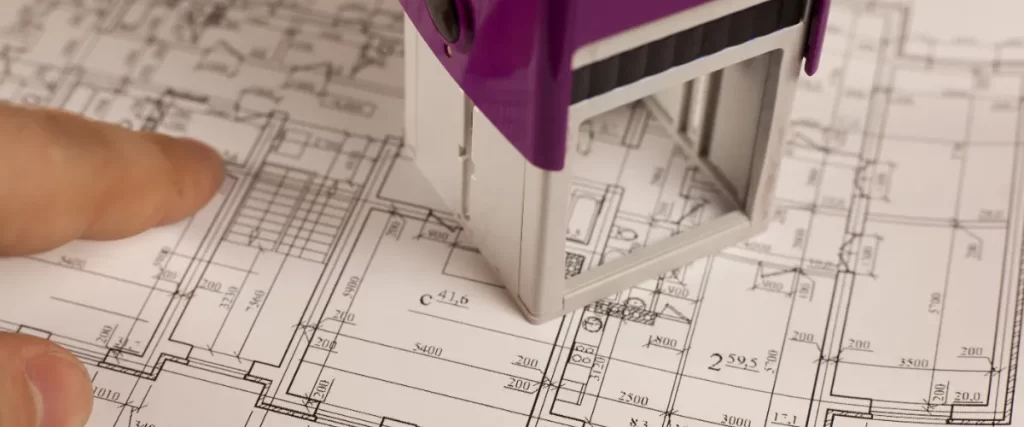
Understanding Omaha’s Deck Permit Requirements
The City of Omaha requires building permits for most deck projects. Smaller decks under certain height and size thresholds sometimes get exemptions, but most residential decks need formal approval before you can build.
Omaha follows the International Residential Code with some local modifications. The state of Nebraska also has code requirements that layer on top of city regulations.
This means you’re working with multiple sets of rules that all need to be satisfied. Plans must show compliance with setbacks, foundation requirements, railing specifications, and structural calculations.
The permit fees vary based on project size and value. Budget for these costs early so they don’t create surprises when you’re ready to submit. The city calculates fees using a formula based on construction value, and you’ll need to provide a reasonable estimate when you apply.
What the City Wants to See
Your plans need to be clear and complete. Omaha’s building department reviews hundreds of applications, and reviewers can spot incomplete submissions immediately. Missing information means your application goes to the bottom of the pile while you gather what’s needed.
Site plans should show property lines, setback distances, and the deck’s location relative to your house and other structures. Elevation drawings need to display deck height, railing details, and how the deck attaches to the building. Foundation plans must specify footing size, depth, and spacing based on soil conditions and load requirements.
Structural calculations prove your deck can handle the required loads. Nebraska weather includes heavy snow in some winters, and decks must support those loads plus the weight of people and furniture.
The International Existing Building Code provides reference standards for structural requirements, though new construction typically follows the IRC.
Preparing Your Application for Fast Review
Talk to the building department before you finish your plans. A quick conversation can reveal specific things they want to see for your project. Each reviewer has preferences about drawing formats and the level of detail required. Learning these preferences before you submit saves you from revision cycles.
Getting your documents organized properly makes the review process smoother:
- Complete application forms with all fields filled out accurately
- Professional site plans showing measurements and property boundaries
- Detailed construction drawings with materials, dimensions, and connection methods clearly labeled
- Engineering stamps if your deck requires professional design verification
- Proof of property ownership or written permission if you’re not the owner
Some contractors have relationships with the building department built over years of consistent quality submissions. They know which details matter most and how to present information in ways reviewers appreciate. This experience translates directly into faster approvals.
Digital Submissions and Online Portals
Omaha has moved toward digital permit applications in recent years. The online system lets you submit plans, pay fees, and track status without visiting city offices. Digital submissions often process faster than paper applications because reviewers can access them immediately.
Upload files in the formats the city specifies. PDF works for most documents, but check the requirements before converting your plans. Large file sizes sometimes cause problems with upload systems. Compress files if needed, but make sure text and drawings remain readable.
The online portal shows where your application sits in the review queue. You can see when reviewers open your files and what comments they add. This visibility helps you respond quickly to questions rather than waiting for phone calls or letters.
Dealing With Technical Issues
Sometimes you’ll encounter errors when accessing the permit system.
An “access denied” message or “permission to access http” error usually means there’s a temporary server problem. The system might show “https errors.edgesuite.net” or similar technical messages. These issues typically resolve within hours. Try again later or call the IT help desk if problems persist.
Browser compatibility matters for online portals. Some systems work better with specific browsers. Clear your cache if pages aren’t loading correctly, and make sure you’re using current browser versions that support secure connections.
Scheduling Pre-Submittal Meetings
The city offers pre-submittal consultations where you can discuss your project before formal application. These meetings are incredibly helpful for complex or unusual decks. Bring preliminary drawings and explain what you want to build. Staff will identify potential issues and tell you exactly what needs to be included in final plans.
Pre-submittal meetings prevent the frustration of submitting plans only to have them rejected for issues you could have addressed upfront. Spending an hour in discussion saves weeks of back-and-forth revisions. Schedule these meetings well in advance, as availability can be limited during busy construction seasons.
What Slows Down Approvals
Understanding common problems helps you avoid them. Missing information tops the list of delay causes. Incomplete site plans, unclear structural details, or missing engineering calculations all trigger requests for additional information.
Code violations in your design create longer delays. If plans show railings at the wrong height or footings that don’t meet depth requirements, reviewers will reject the application outright. You’ll need to revise and resubmit, starting the wait over again.
Poor communication extends timelines. When the city asks questions about your plans, respond immediately with clear answers. Vague responses or delays in getting back to reviewers add days or weeks to the process. Make yourself available during business hours so reviewers can reach you when they need clarification.
Working With Property Lines and Setbacks
Setback requirements in Omaha specify how far your deck must be from property lines. These rules exist throughout town, though exact distances vary by zoning district. Violating setbacks is one of the fastest ways to get your permit denied.
Verify your property boundaries before drawing plans. Old surveys might not reflect current conditions if fences or landscaping have shifted over the years.
A current survey gives you verified property lines that reviewers will accept without question. The cost of a survey is small compared to the expense of rebuilding a deck that’s in the wrong place.
Corner lots and properties with easements have additional complications. Utility easements might run through your yard, and building in those areas is usually prohibited. Check your deed and plat for recorded easements before you choose your deck location.
Nebraska State Requirements
State codes apply across Nebraska, and Omaha enforces these alongside city regulations. The state adopts model codes like the International Residential Code, but can modify them. Pay attention to these modifications because they affect what’s approved in your plans.
Some requirements come from the state level but are enforced by city inspectors. Foundation frost depths, for example, follow state standards based on Nebraska’s climate. Your footings need to extend below the frost line to prevent heaving during freeze-thaw cycles.
The Nebraska Department of Labor oversees certain aspects of construction regulation, though most homeowners interact primarily with city building departments. Understanding this structure helps you know where to direct questions about different requirements.
Final Steps Before Submission
Review your complete application package before you submit. Have someone else look at your plans with fresh eyes. They might catch errors you’ve overlooked after staring at drawings for hours.
Double-check that you’ve included everything on the city’s submittal checklist. One missing document can delay your entire application. Verify that all forms are signed and dated. Make sure fees are calculated correctly.
If you’re ready to begin construction but permit approval feels overwhelming, professional help exists. Some people enjoy navigating regulations and paperwork. Others would rather spend their time on different things.

Let Professionals Handle the Permit Process
Reading about how to get a deck permit faster in Omaha in 2026 gives you information. Actually executing a flawless permit application while managing construction planning takes experience most homeowners don’t have.
You could spend days learning code requirements, creating plans that meet specifications, and dealing with city communication. Or you could talk to people who do this regularly and know exactly what Omaha reviewers expect to see.
At Deck Bros, we handle the entire permit process as part of our deck building service. We know Omaha’s local regulations inside out.
Our relationships with the building department, built over years of quality work, mean your application gets the attention it needs. We prepare complete, accurate submissions that pass review quickly because we understand what the city requires before we draw the first line.
Stop worrying about permits and start thinking about enjoying your new deck. Call us at (402) 369-5724 or message us here and let us handle the paperwork, the city approvals, and the construction. You’ll finish your project faster and avoid the headaches that come with learning permit requirements from scratch.