
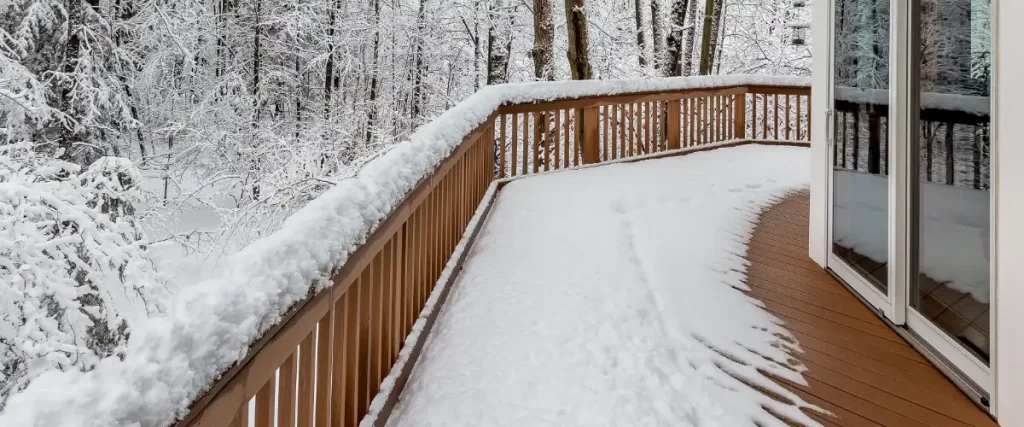
Winter transforms a backyard into a quiet, snow-covered landscape. The view from the window often looks peaceful. While the snow looks beautiful resting on the rails and planks of your outdoor space, that white blanket often hides a persistent threat to the wood.
Moisture management becomes the primary challenge for homeowners during these colder months. Snow piles up and melts. It creates a cycle of dampness that saturates wood fibers and creates the perfect environment for unwanted growth.
You want to maintain the natural beauty of your property. You likely want to ensure your investment lasts for decades. Learning how to prevent mold and algae on decks during snowy months protects the aesthetic appeal of your home and the structural integrity of the platform itself.
Algae and mold are stubborn guests. They settle into the grain of the wood and multiply when conditions are right.
They need moisture, a food source, and a lack of direct sunlight to thrive. Winter provides the moisture in abundance. If you prepare effectively and maintain the area correctly, you can stop algae and inhibit growth before it becomes a headache in the spring.
The Moisture Cycle
Moisture buildup acts as the primary catalyst for fungal growth. Snow sits on the surface of the deck boards for days or weeks. The bottom layer of that snow often melts slightly due to the ambient heat from the ground or brief periods of sun, even while the top remains frozen. This traps water against the surface.
Wood is a porous material. It naturally absorbs water. When wood stays damp for extended periods, it softens. This softness invites mold spores to settle. These spores are microscopic and exist in the air around us constantly. They only become a visible problem when they find a hospitable surface.
Algae growth appears as a green film that can make the surface dangerously slippery. Mold and mildew often manifest as black or dark spots. Both signal that the wood holds too much water and lacks sufficient air circulation. Addressing this requires a mix of immediate action and long-term observation.
The Importance of Pre-Winter Cleaning
The most effective way to prevent mold growth is to remove the food source before the snow falls. Mold and algae feed on organic matter. This includes pollen, dirt, and decaying leaves.
A dirty deck covered in autumn leaves is vulnerable. Those leaves trap moisture against the boards. They also break down into a compost-like sludge that feeds fungus. You should clear all debris regularly as winter approaches.
- Sweep the surface thoroughly to remove pine needles and loose dirt.
- Clear the gaps between the boards to ensure proper drainage.
- Move planters and furniture to storage to prevent trapped moisture underneath them.
If you leave furniture in place, moisture gets trapped between the leg of the chair and the deck surface. This creates distinct rings of rot or discoloration. Clearing the space allows the entire deck surface to breathe. It ensures that when the snow eventually melts, the water can flow away freely rather than pooling around obstacles.
Managing Snow Accumulation
Many homeowners are unsure whether they should shovel their deck. If the snow creates a massive weight load, removing it is necessary for safety. For mold prevention, removing snow helps keep the deck dry during sunny intervals.
You must use the right tools to avoid damaging the wood or coating. A metal shovel can gouge the finish and scratch the wood fibers. These scratches create new entry points for water.
- Use a plastic shovel to gently lift the snow.
- Push along the grain of the wood rather than across it.
- Leave a thin layer of snow if ice has formed to avoid chipping the wood while trying to break the ice.
Removing the bulk of the snow allows the sun to hit the deck boards. Even weak winter sunlight helps dry the surface. This drying process kills surface mold and makes the environment less hospitable for new spores.
Improving Airflow and Ventilation
Proper ventilation is a strong defense against decay. Decks shaded by trees or solid railings often struggle to dry out. The air needs to move across the top and underneath the structure.
Check the underside of your deck if it is accessible. Ensure that vents are not blocked by snowdrifts or piled leaves. Air circulation beneath the deck prevents humidity from rising into the boards from below.
For the surface, keeping the gaps between boards clear is vital. These gaps allow melting snow to drip through. If they are clogged with organic debris, the water sits on top. Standing water creates an immediate health risk for the wood. It accelerates the breakdown of the sealant and encourages algae growth.
Addressing Existing Growth Immediately
You might notice green patches or dark spots during a mid-winter thaw. You should address this immediately rather than waiting for spring. Existing algae will spread rapidly once the temperatures rise slightly.
You can clean the deck on a milder day. You do not always need harsh chemicals. Many effective solutions utilize common household items that are safer for the surrounding vegetation.
- Mix white vinegar with water for a natural fungus killer.
- Use hydrogen peroxide to lift stains and kill mold spores on contact.
- Apply oxygenated bleach as a mild cleaner that won’t bleach the wood fibers white like chlorine might.
Chlorine bleach is often too harsh for wood. It destroys the lignin that holds wood fibers together. This can leave the surface fuzzy and prone to splinters. Oxygenated cleaners or specialized deck cleaning solutions are generally safer choices.
The Process of Gentle Washing
When applying a cleaning solution, the goal is to lift the grime without forcing water deeper into the wood. You can use a garden sprayer to apply the mixture evenly. Let it sit for a few minutes to break down the dirt and algae.
Scrub the area with a stiff brush. Use synthetic bristles for composite decks and natural bristles for wood, depending on the manufacturer’s recommendations. Scrub with the grain. This agitation releases the organic matter from the texture of the board.
Rinse the area thoroughly. You want to remove all traces of the cleaner and the loosened debris. A garden hose with a spray nozzle is usually sufficient.
Caution with Pressure Washers
A pressure washer is a powerful tool. It can strip away years of dirt in seconds. It can also destroy a wooden deck if used incorrectly. High pressure can strip the softwood fibers from the grain. This leaves the wood rough and more porous than before.
If you choose to use a pressure washer, keep the pressure low. Use a fan tip nozzle. Keep the wand moving constantly. Never let the spray linger on one spot.
Many professionals recommend a “soft wash” approach instead. This relies on the cleaning solution to do the heavy lifting, with the water pressure serving only to rinse. This preserves the structural integrity of the boards while still getting the deck clean.
The Role of Sealants
A high-quality sealant acts as a shield. It prevents moisture from penetrating the wood. Water should bead up on the surface of a well-sealed deck. If the water soaks in and creates a dark patch, the seal has failed.
Applying a stain or sealant is typically a task for dry, warm weather. However, checking the condition of your sealant before winter is a key preventative step. If the water is not beading, you know you need to be extra vigilant about clearing snow and debris to compensate for the lack of protection.
For composite deck owners, the surface is less porous, but it is not invincible. Algae can grow in the texture of the composite material. The same cleaning rules apply. Keep it clear of leaves and wash it with a mild soap or specialized composite cleaner to stop algae.
Managing Trees and Surroundings
The environment around your deck contributes significantly to mold issues. Trees that hang over the deck drop leaves, sap, and pine needles. They also block sunlight.
Decks shaded by heavy canopy cover stay wet longer. Trimming back branches can increase the amount of sunlight the deck receives. This natural heat helps keep the deck dry.
- Trim overhanging branches to reduce debris fall.
- Cut back bushes touching the deck to improve air flow.
- Monitor nearby gutters to ensure they aren’t overflowing onto the deck.
Water management extends beyond the deck itself. If your roof gutters dump water directly onto the deck surface, you are creating a concentrated moisture problem. Redirecting downspouts away from the outdoor living space protects the wood from excessive water exposure.
Specific Care for Different Materials
Wood decks require different care than composite materials. Wood is organic. It wants to return to nature. You are fighting a constant battle against decomposition. Wood needs sealants and breathable stains to survive.
Composite decks are a blend of wood fibers and plastic. They are more resistant to rot but can still harbor surface mold. The organic fibers in the composite mixture can still feed mold if the outer “cap” or shell is damaged.
Pay special attention to the manufacturer’s instructions for your specific decking material. Some forbid certain chemicals. Others require specific brushes. Following these guidelines ensures you do not void your warranty while trying to clean.
Consistency is Key
Preventing mold and algae is not a one-time event. It is a continuous process. A weekly sweep during the fall makes a difference. A quick check after a snowstorm prevents ice buildup.
Proactive measures save you time and money in the long run. Replacing rotten deck boards is expensive. Sanding down a stained, moldy surface is labor-intensive. A few minutes of care here and there preserves the life of the deck.
You create a healthier environment for your family by removing mold. Mold spores can be a health risk for those with respiratory issues. Keeping the outdoor space clean reduces the amount of spores that get tracked inside the house.
Avoiding Common Mistakes
Homeowners often make the mistake of using too much pressure or the wrong chemicals. They might scrub too hard and ruin the finish. Another common error is trapping moisture by covering the deck with a tarp.
A tarp might seem like a good idea to keep snow off. However, if the tarp is not perfectly sealed, moisture gets in and cannot get out. It creates a greenhouse effect. This warm, humid environment under the tarp is a paradise for mold. It is usually better to leave the deck uncovered and let the air circulate.
Avoid using metal shovels. Avoid using salt to melt ice on wood. Salt can dry out the natural moisture of the wood, leading to cracking and splintering. It can also corrode the metal fasteners that hold the deck together. Use a calcium magnesium acetate product if you must melt ice, as it is generally safer for wood and vegetation.

When the Job Feels Too Big
Winter maintenance requires diligence. It involves cold fingers and heavy lifting. You have to monitor the weather and react quickly. Sometimes the growth is already deep into the wood. Sometimes the gray, weathered look indicates that the sealant is completely gone.
Handling chemicals, managing pressure washers, and spending hours scrubbing in the cold is not how everyone wants to spend their free time. There are nuances to deck preservation that require a trained eye. You need to know exactly which cleaner works with which stain. You need to understand how to wash without raising the grain.
If you look at your deck and see a project that feels overwhelming, or if you simply want to ensure the job is done without risking damage to your property, there is an alternative to doing it yourself. You can rely on professionals who understand the science of wood and the persistence of winter mold.
For those planning a new project or needing extensive repairs, understanding proper construction and drainage from the start is vital. You can learn more about high-quality deck building to ensure your next structure is designed to resist the elements.
If you would rather enjoy your winter indoors and let us handle the cold, hard work of protecting your investment, we are ready to help. Call us at (402) 369-5724 or message us here.