
Your deck just spent four months under snow, ice, and freeze-thaw cycles that show zero mercy on wood. Before you drag out the chairs and fire up the grill, it’s worth spending 30 minutes doing a proper inspection.
Some damage is obvious. Some is hidden under the surface and won’t become obvious until someone gets hurt.
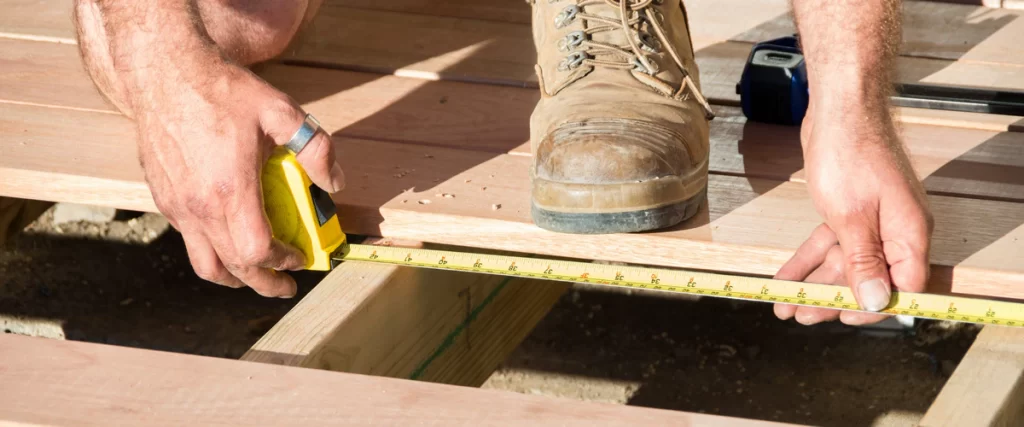
Quick Reference: What You’re Looking For
| Area | Warning Sign | What It Means |
| Ledger board | Gap from house, lifted flashing | Collapse risk, inspect immediately |
| Beams and joists | Soft wood, sagging, rusty hangers | Structural compromise |
| Deck boards | Raised fasteners, soft spots, rot | Replace affected boards |
| Railings | Any movement when pushed | Rebuild post base connections |
| Stairs | Springy treads, cracked stringers | Repair or replace |
| Footings | Cracking, heaving, leaning posts | Professional assessment needed |
The Numbers Make the Case
According to the Consumer Product Safety Commission, an average of 6,000 people per year are injured in the U.S. because of structural failure or collapse of a deck, porch, railing, or staircase.
That’s what happens when regular maintenance gets skipped, year after year. Spring, right after winter, is when all that skipped maintenance catches up with you.
Walk It Before You Use It
The first thing to do is actually walk the deck, slowly, paying attention to how it feels underfoot. Any springiness, soft spots, or bounce that wasn’t there last fall is telling you something. Don’t ignore it.
From there, the inspection splits into six areas.
What to Check, Start to Finish
The Structure Underneath
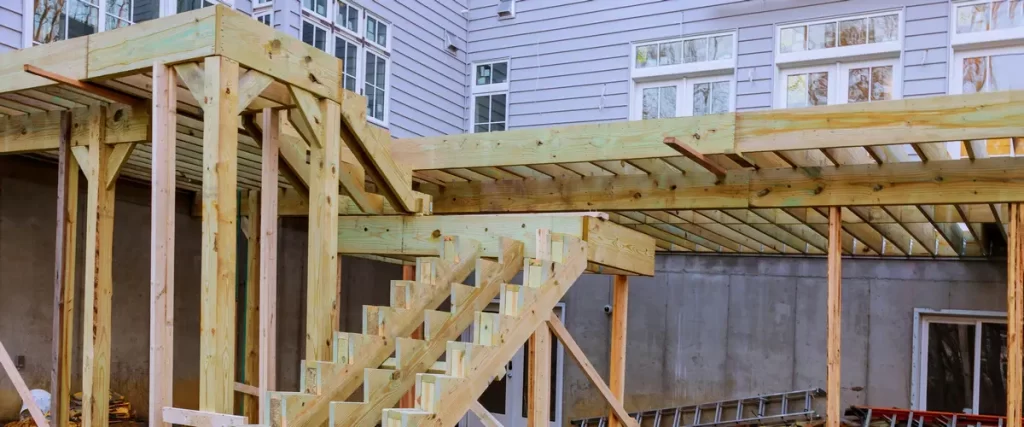
Get low. Crouch down or lean under the deck and look at your beams, joists, and the joist hangers connecting them. You’re looking for:
- Soft or discolored wood on any beam or joist, especially near the ends
- Rust or corrosion on metal connectors, particularly joist hangers and post bases
- Any sagging between support points
Bring a flathead screwdriver and poke anything that looks suspect. Solid wood pushes back. Rotted wood doesn’t. If the screwdriver goes in without resistance, that section needs to come out. Catching this early is what keeps a small repair from becoming a full rebuild.
For a closer look at how deck structure works beneath the surface, the Deck Bros blog on deck blocking and bridging is worth a read.
The Ledger Board
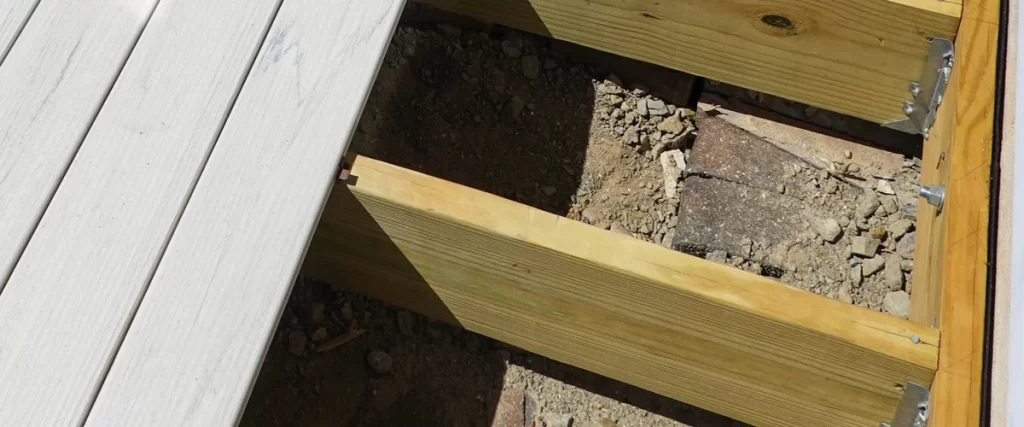
About 90% of deck collapses occur as a result of the separation of the ledger board from the house. The ledger is the board that attaches your deck to your home’s rim joist, and it takes on a lot of stress over a winter. Look for:
- Any gap between the ledger and the house
- Missing or damaged flashing, which is the metal barrier that keeps water from getting behind the ledger
- Fasteners that have loosened, or any sign the ledger is pulling away from the wall
If you spot daylight between the ledger and the siding, or the flashing has lifted even slightly, stop using the deck until someone can assess it properly. That’s not alarmist, it’s just how ledger failures work.
Deck Boards
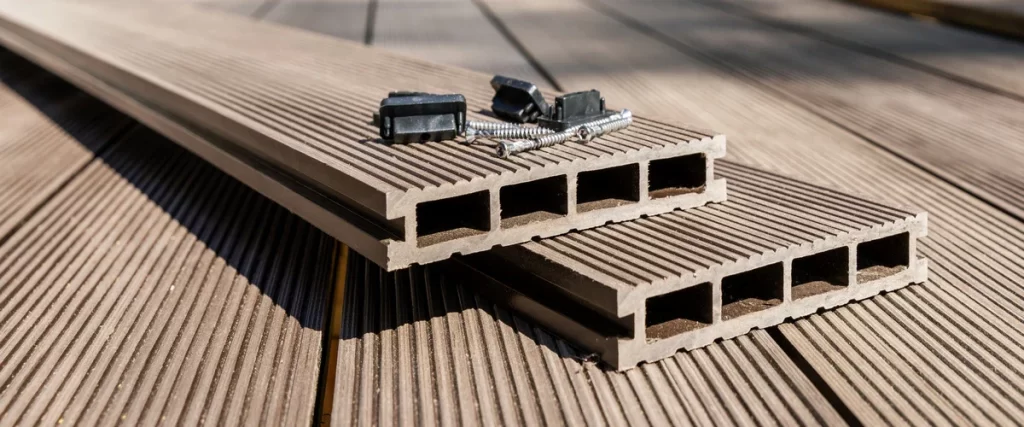
Walk every plank and actually pay attention. You’re looking for:
- Raised nails or screw heads sitting above the surface
- Cupping or warping that creates an uneven surface
- Dark staining or soft spots that suggest rot has gotten below the finish layer
- Bad splintering along the edges, especially on older wood decks
One or two boards that need replacing is a quick fix. If you’re finding rot across multiple boards in a pattern, that usually means moisture is getting in from somewhere and the boards are just the visible symptom. Want to understand what rot actually looks like and how it spreads?
Deck Bros has a detailed breakdown in their wood rot repair guide.
Railings and Balusters
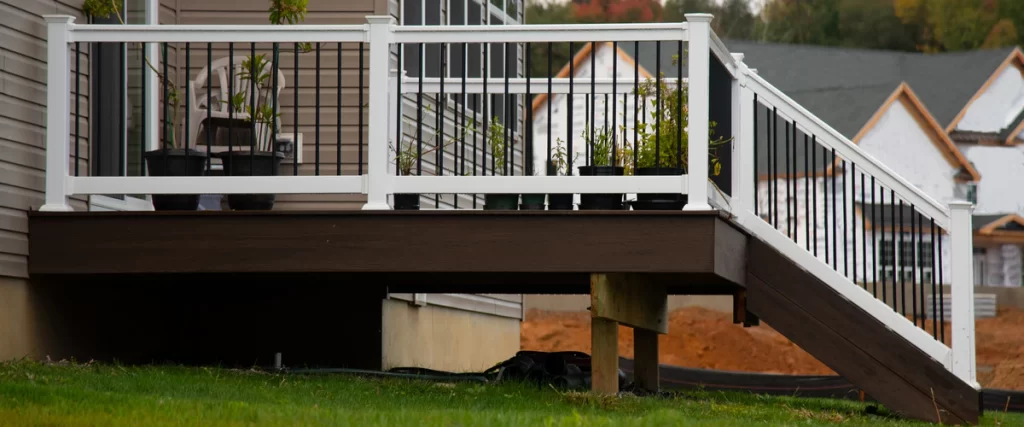
Grab every railing section and push it firmly, then pull it, then shake it sideways. There should be zero movement. If there’s any wobble at all, it needs attention before the deck is used again.
Check baluster spacing too, especially if young kids will be using the space. Building code in the Omaha area requires gaps to be small enough that a 4-inch sphere cannot pass through. While you’re at it, confirm railing height meets code for the elevation of your deck, which is typically 36 inches minimum and 42 inches for decks above a certain height.
Stairs
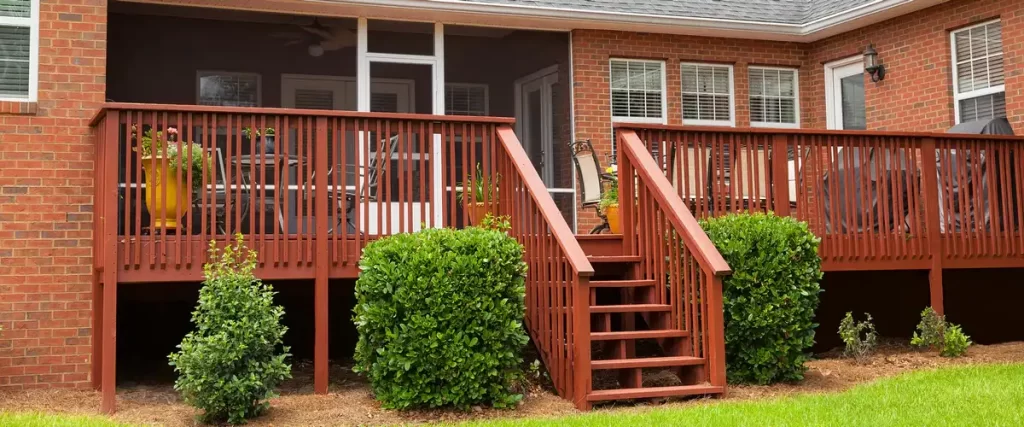
Each step deserves its own test. Stand on the outer edge of each tread and apply your full weight. Then check:
- Stringers (the angled side supports) for cracks running along the grain
- Tread-to-stringer connections, where fasteners can loosen over winter
- The top and bottom of the stair assembly, where it connects to the deck frame and to the ground or landing
A stair that feels springy or shifts under weight is a genuine tripping hazard. It doesn’t need to collapse to send someone to the ER.
Footings and Posts
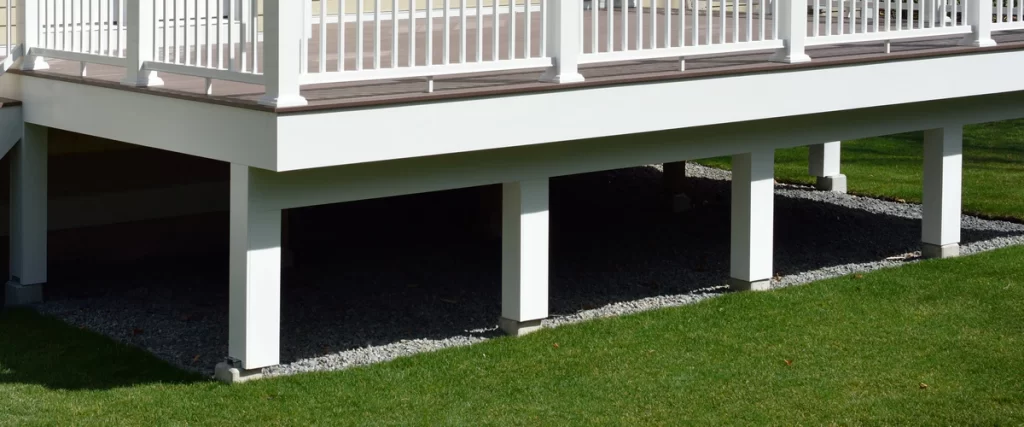
Nebraska winters involve serious freeze-thaw cycling. That movement affects concrete. Look at each footing and check for cracking or heaving, meaning the concrete has shifted upward from frost pressure. A footing that’s cracked or moved will affect the post sitting on top of it, which affects everything above that.
Check each post for plumb, meaning perfectly vertical. If a post has kicked out even slightly from its original position, that’s a structural issue, not just a cosmetic one.
A Note on Permits and Code Compliance
A lot of decks in Omaha’s older neighborhoods were built before current safety codes were established, and some were built without permits at all. Of the approximately 40 million deck structures in the United States, an estimated half are not built to current building codes. If you’re not sure whether your existing deck was permitted, the City of Omaha’s Planning Department can help you pull records for your property. It’s worth knowing, especially if you’re planning to sell or refinance.
Wood Deck vs. Composite: Does It Change Anything?
Somewhat. Composite decks do resist rot, insects, and warping better than wood, but the structure underneath a composite deck is almost always wood and needs the same careful inspection. The boards themselves last longer and need less seasonal maintenance, but that doesn’t mean walking away from the annual check.
If your wood deck is starting to feel like more upkeep than it’s worth, spring is a natural time to explore making the switch. Deck Bros has a breakdown of materials and what performs best in Nebraska’s climate at their deck materials guide.
FAQ
How often should a deck be inspected? Once a year is the baseline, and spring is the right time. You’re catching anything winter caused before it gets worse through a full season of use and heat.
Can I do this myself? Yes, the visual and hands-on parts are homeowner-friendly. If you find ledger issues, soft posts, rotted beams, or shifted footings, that’s when you bring in a licensed professional before using the deck again.
My deck looks fine but feels bouncy. Should I be worried? Springiness underfoot almost always means something is soft or loose underneath, even if the surface looks okay. It’s worth getting a professional set of eyes on it.
How do I know if my deck was built to code? Decks built before 2009 may predate comprehensive deck safety codes. A professional inspection can tell you where you stand. You can also contact the City of Omaha’s building permit office to pull records.
What’s a realistic repair budget for typical spring issues? Minor repairs like replacing a few boards, tightening railing hardware, or swapping out joist hangers are usually a few hundred dollars. Structural issues involving the ledger, posts, or footings are a different category and depend heavily on scope.
Honestly, You Could Just Call Us
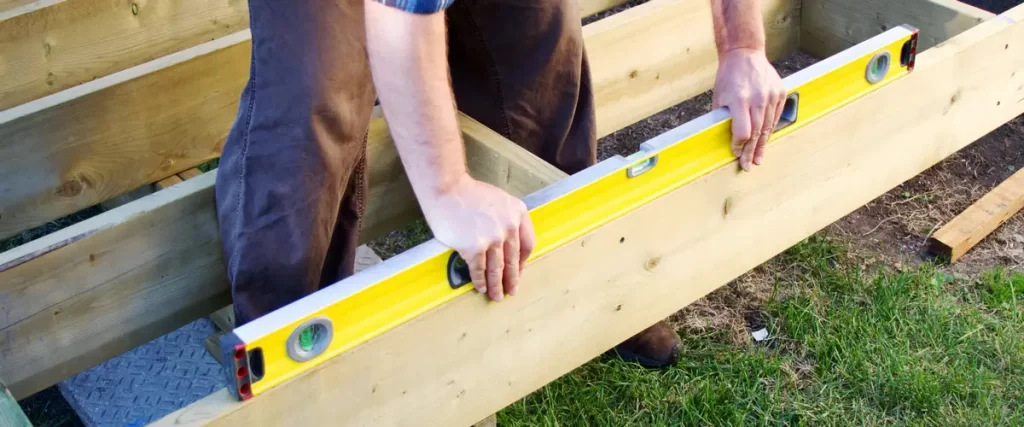
Going through all of this is doable. But knowing what you’re actually looking at, whether that soft spot is surface weathering or something deeper, whether that wobbly railing post needs a screw or a whole new connection, takes experience that doesn’t come from a checklist. The team at Deck Bros handles deck inspection and repair across the Omaha area every single day. They’re licensed, bonded, and insured, and they’ll tell you straight what your deck needs and what it doesn’t.
If the thought of spending your Saturday crouched under a deck with a screwdriver isn’t exactly appealing, that’s understandable. Let the people who do this for a living take it off your plate.
Check out what Deck Bros offers for deck repair services, then call us at (402) 369-5724 or message us here to get things scheduled before the season fills up.