
You ask three deck builders for quotes on what seems like the same deck project. One comes back at $12,000. Another says $18,000. The third wants $25,000.
What gives?
Your neighbor built a deck last year for $8,000, and it looks just like what you want. You’re confused, frustrated, and starting to wonder if someone’s trying to rip you off.
Here’s the truth: deck prices fluctuate for real reasons that have nothing to do with contractors playing games with numbers. The gap between the lowest and highest bids reflects genuine differences in what you’re actually getting.
The Material Choices That Change Everything
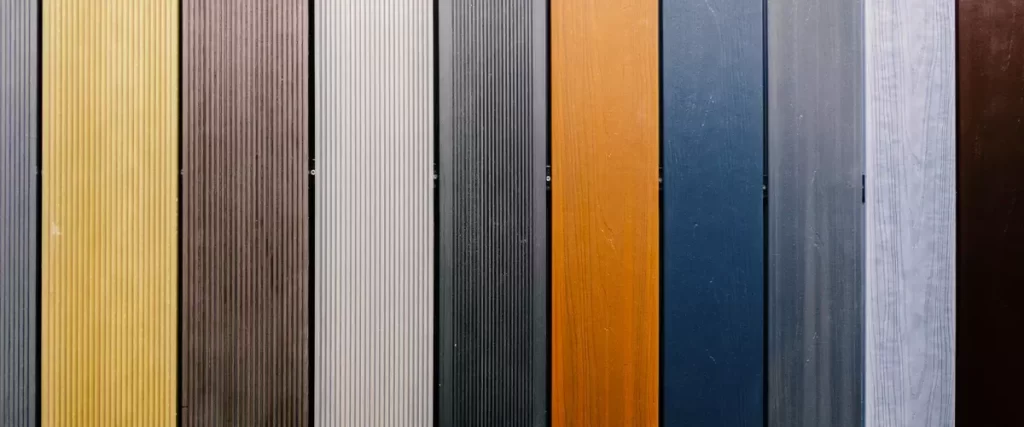
Walk into any lumber yard, and you’ll see why two decks of the same size can cost tens of thousands of dollars apart.
Pressure-treated wood runs around $15 to $25 per square foot installed. Composite decking starts at $30 per square foot and climbs from there. Premium materials like TimberTech or Trex with custom features? You’re looking at $60+ per square foot before you add railings, stairs, or built-in seating.
Material costs alone account for the biggest portion of your overall project costs. A 200 square foot deck in pressure-treated lumber might run $4,000 in materials. That same deck in high-end composite could hit $12,000 just for the boards.
| Material Type | Cost Per Sq Ft | 200 Sq Ft Deck Cost | Maintenance Needs |
| Pressure Treated Wood | $15-$25 | $3,000-$5,000 | High (seal every 2-3 years) |
| Basic Composite | $30-$40 | $6,000-$8,000 | Low (annual cleaning) |
| Premium Composite | $45-$60 | $9,000-$12,000 | Very Low (occasional wash) |
| Exotic Hardwood | $50-$70+ | $10,000-$14,000+ | Medium (periodic sealing) |
The numbers shift even more when you factor in what happens after installation. Pressure-treated lumber needs staining every few years. That’s another $2,000 to $3,000 in maintenance costs per treatment. Low-maintenance composite materials cost more upfront but save money over the deck’s lifespan. If you’re curious about how different composite options stack up, take a look at our breakdown of composite decking pricing for 2026.
Labor Rates Aren’t What You Think
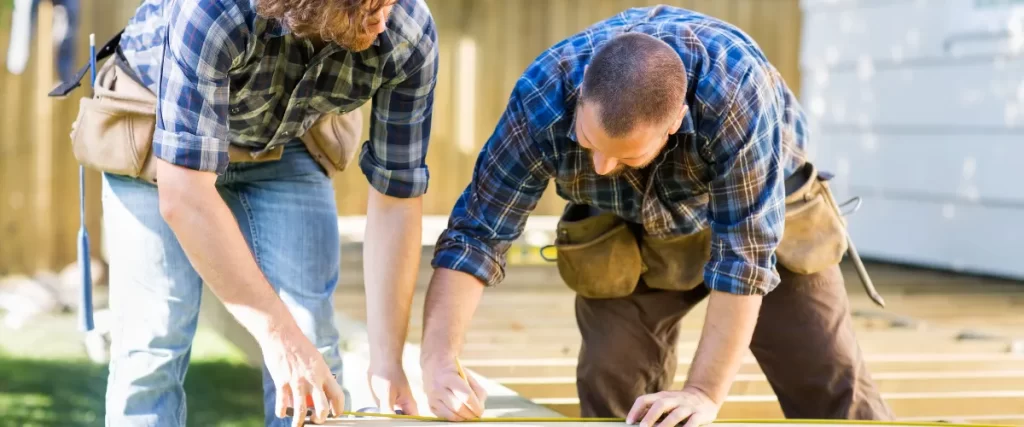
Some deck builders charge $50 per hour. Others want $85. Both might be fair prices depending on what you’re getting.
Labor costs reflect experience, efficiency, and quality. A crew that’s built hundreds of decks finishes faster and makes fewer mistakes than someone figuring it out as they go. Faster work means lower overall project costs, even if their hourly rate runs higher.
Labor typically represents 40 to 60 percent of your total deck cost. For a $20,000 project, you’re paying $8,000 to $12,000 just for the people doing the work.
Experienced builders also know local building codes inside and out. They pull permits correctly the first time, pass inspections without delays, and build to code compliance standards that keep your family safe. Cheaper labor often means costly repairs down the road when inspectors catch problems or when shortcuts create structural issues.
Your deck design complexity drives labor hours, too. A simple rectangular platform takes less time than a multi-level design with intricate railings and custom features. Every angle, curve, and built-in feature adds time and skill requirements.
Size and Design Complexity Create Big Swings
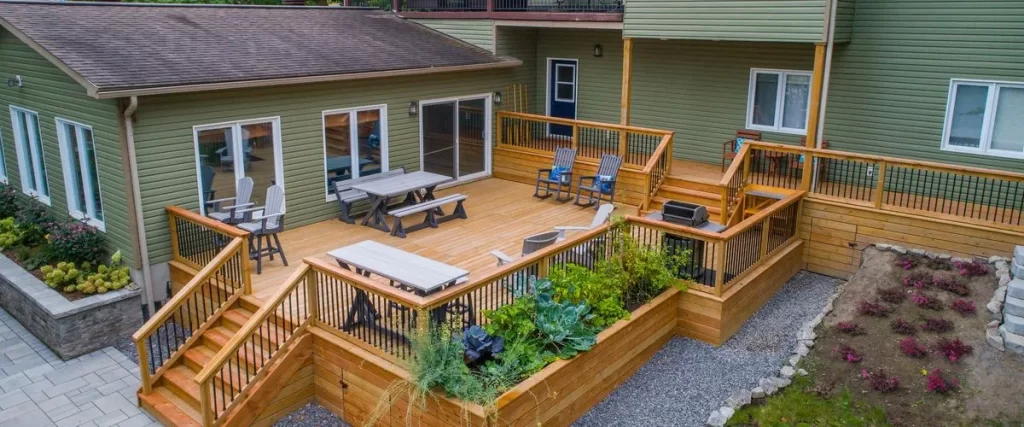
A 10×10 ground-level deck is straightforward. A second-story deck with integrated lighting, drink rails, and a patio cover? That’s a different animal entirely.
Deck size matters for obvious reasons. More square footage means more materials and more labor. But the deck type and design complexity matter just as much.
Ground-level decks cost less than elevated structures. You don’t need tall posts, extensive footings, or stairs. A second-story deck requires deeper foundations, additional support posts, and railings that meet height requirements. Stairs alone can add $2,000 to $4,000 to your project.
Custom designs with unique features drive up both material and labor expenses. Built-in seating requires extra framing and materials. Integrated lighting needs electrical work. Drink rails, planters, and other custom additions each add to the bottom line.
Site preparation costs vary wildly based on your property. Level ground with easy access? Minimal prep work. Sloped terrain that needs grading? That’s extra time and equipment. Trees that need trimming, landscaping that needs protection, or difficult access for equipment all increase the overall cost.
Why Permits and Code Compliance Affect Your Quote

Most deck projects in Eastern Nebraska require permits. The permit cost itself runs $50 to $150, depending on your location, but that’s just the start.
Building to code means using specific materials, following exact spacing requirements, and meeting structural standards set by local regulations.
Nebraska’s building codes follow the International Residential Code, and cities like Lincoln, Omaha, and surrounding communities enforce these standards strictly. You can check specific requirements through the Nebraska Legislature’s building code statutes or your local building department.
Some contractors build to minimum code requirements. Others exceed code for better durability and safety. Higher standards mean better materials, more robust construction methods, and higher costs.
Inspections happen at multiple stages. Foundation inspection, framing inspection, and final inspection. Each one requires the work to stop until an inspector signs off. Contractors who know what inspectors look for avoid delays and keep your project on schedule.
Skipping permits to save money seems tempting until something goes wrong. Insurance claims get denied on unpermitted work. Future buyers walk away from homes with code violations. The money you save upfront costs way more when you need to tear everything down and rebuild correctly.
The Hidden Factors in Your Deck Quote
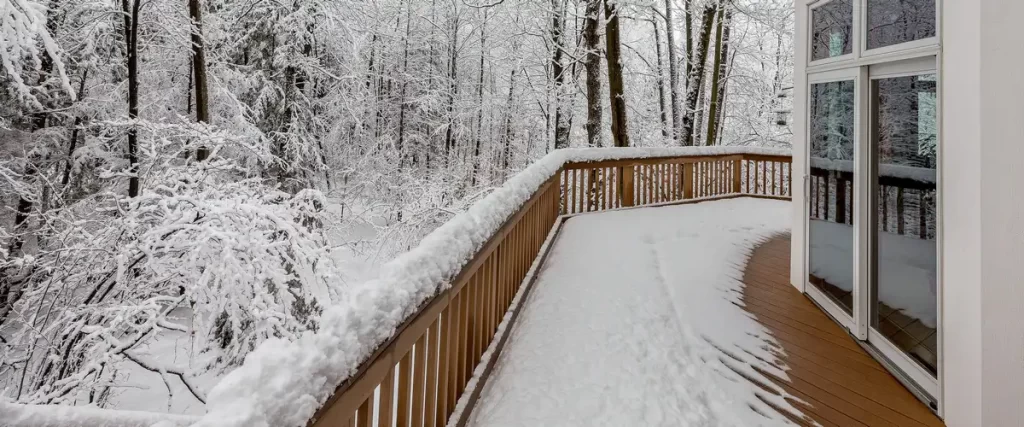
Raw materials prices fluctuate based on market conditions. Lumber costs spiked during 2021 and have settled somewhat, but they still bounce around more than most homeowners realize. Composite materials stay more stable but still see price changes based on manufacturing costs and demand.
Seasonal timing affects pricing, too. Spring and summer are peak deck-building seasons. Contractors stay busy, and prices reflect that demand. Fall and winter often bring better deals as work slows down.
Your existing deck situation changes the equation if you’re replacing rather than building new. Demolition and disposal add $1,000 to $3,00,0 depending on the old deck’s size and construction. Some properties have easy trash access. Others require special equipment or dump fees.
Access to your backyard matters more than you’d expect. Crews that can drive equipment close to the work site finish faster. Properties where everything needs to be carried through the house or around tight spaces take longer and cost more.
Premium Features That Justify Higher Costs
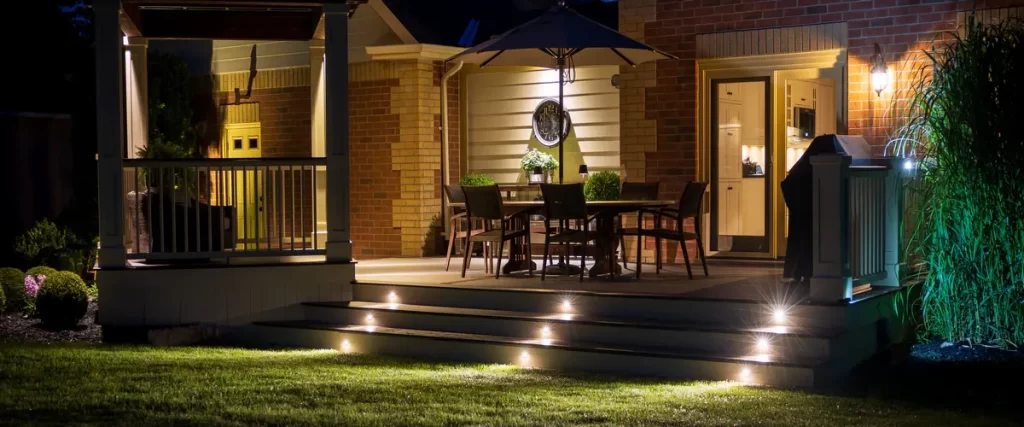
High-quality decks include features that budget builds skip. These additions make real differences in how you use your outdoor living space.
Premium railings in aluminum or cable systems cost more than basic wood rails but last decades longer and need zero maintenance. Quality lighting transforms your deck from a daytime-only space to a nighttime gathering spot. Proper drainage systems keep water from pooling and extend your deck’s life.
Built-in benches with storage, integrated planters, and custom privacy screens add functionality. A patio cover or pergola creates shade and defines the outdoor area. Each upgrade adds cost but also adds years of enjoyment and reduces maintenance costs over time.
What a Fair Price Actually Looks Like
Average costs for deck construction in Eastern Nebraska range from $8,000 for a basic pressure-treated deck to $35,000+ for a large composite deck with custom features.
For a standard 200 square foot deck:
- Basic pressure-treated: $3,000 to $6,000
- Mid-range composite: $8,000 to $14,000
- Premium with features: $15,000 to $25,000+
These numbers include materials, labor, permits, and standard railings. Stairs, lighting, built-in seating, and other additions increase the final cost.
Get multiple quotes, but compare them carefully. The lowest bid might skip important details. The highest might include premium materials and features you don’t need. Look at what each quote actually includes before making informed decisions.
Our guide on why decks can seem expensive breaks down all the costs that go into deck construction, if you want more specifics.
FAQ: Common Questions About Deck Pricing
Q: Why do quotes vary by $10,000 for the same size deck?
Material quality makes the biggest difference. One quote might use basic pressure-treated lumber while another includes premium composite with upgraded railings and custom features. Labor rates, site conditions, and included services also vary significantly.
Q: Should I always pick the cheapest quote?
Not necessarily. Low bids sometimes mean cheaper materials, less experienced crews, or corners cut on code compliance. Compare what’s included in each quote and check references before deciding.
Q: How can I reduce costs without sacrificing quality?
Choose a cost-effective material choice like standard composite instead of premium lines. Keep the design simple and rectangular rather than complex. Skip custom features initially and add them later. Build during the off-season when contractors offer better rates.
Q: Do I really need permits for my deck?
Yes, for most deck projects. Local codes require permits for decks attached to your house, elevated decks, and structures over certain sizes. Permits protect you legally and ensure your deck meets safety standards.
Q: What’s the best value material for Eastern Nebraska weather?
Composite decking offers the best balance of durability, low maintenance, and long-term value for Nebraska’s climate. It handles temperature swings, moisture, and sun exposure better than wood while costing less over time than constant wood maintenance.
Q: How much should I budget for a new deck project?
Plan on $30 to $60 per square foot for composite materials with professional installation. A 250 square foot deck typically runs $12,000 to $18,000 including railings and basic features.
Here’s What We’re Really Saying
You just read about material grades, labor rates, code requirements, site conditions, design complexity, permit processes, seasonal pricing, and about fifteen other factors that affect deck prices.
You could research all of this yourself. Get quotes from material suppliers. Learn local building codes. Figure out which permits you need. Calculate square footage and material waste. Compare contractor credentials. Navigate the inspection process. Hope you got everything right.
Or you could call a family-owned company that’s done this hundreds of times and knows exactly what your new deck actually needs.
We price projects transparently because we’ve built enough decks in Eastern Nebraska to give you accurate pricing without the guesswork. We know which materials hold up in our weather, which features add real value, and what local codes require. We handle permits, inspections, and all the details that turn a deck project from a headache into something you actually enjoy.
Your time is worth something. So is knowing your outdoor living space was built right the first time.
Want to see what building a deck with experienced professionals actually costs for your specific situation? Check out our deck building services to learn more about how we approach each project.
Call us at (402) 369-5724 or message us here and let’s talk about creating the outdoor space you want at a price that makes sense.